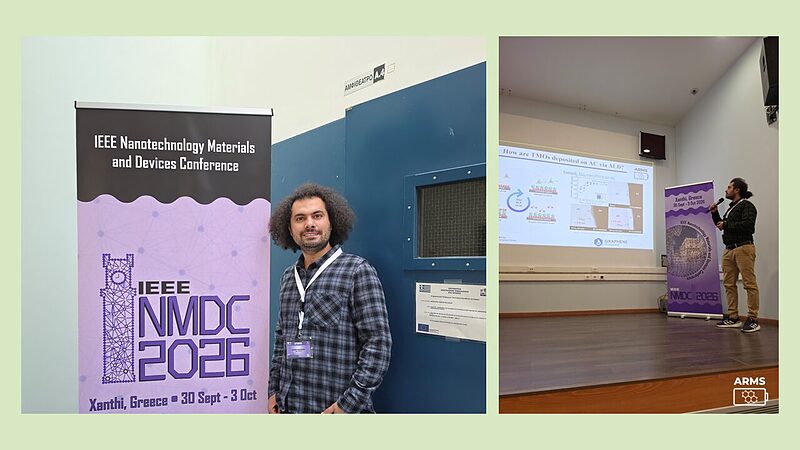
ARMS Research Presented at IEEE NMDC 2026
ARMS Project Presented Research and Strengthened Collaboration at Graphene Week 2026
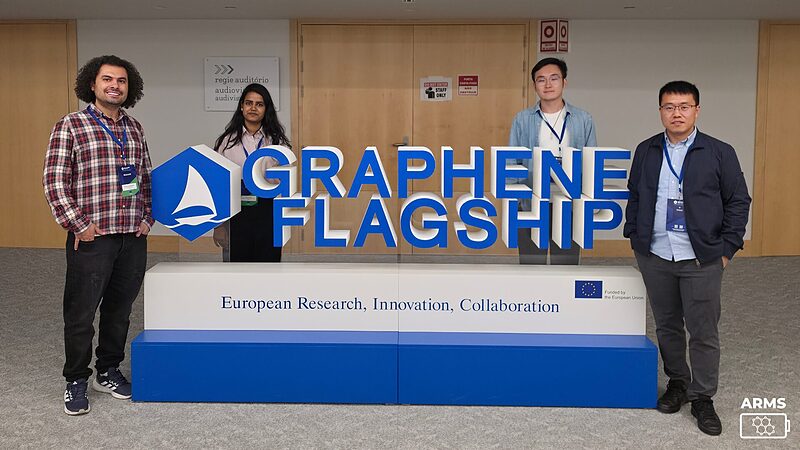
From 21-25 September 2026, the ARMS project joined researchers, innovators, and industry leaders at Graphene Week 2026 in Porto, Portugal. The event provided an excellent platform for ARMS partners to showcase recent research results, strengthen collaborations, and exchange knowledge with the wider Graphene Flagship community.
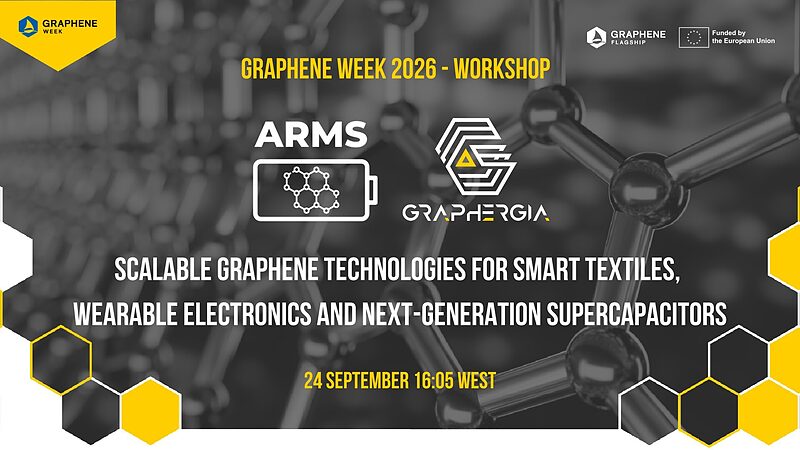
ARMS and GRAPHERGIA Workshop: Scalable graphene technologies for smart textiles, wearable electronics and next-generation supercapacitors
Latest ARMS publication highlights advances in flexible energy storage
Thinking big in a nano-world
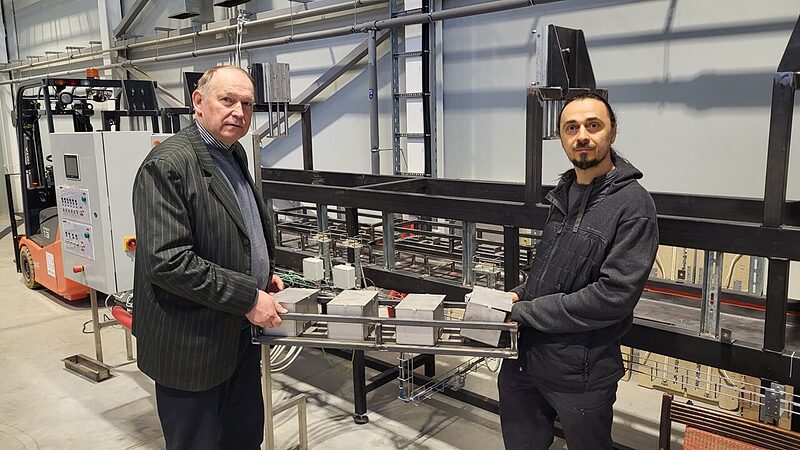
How do you turn a few grams of laboratory material into kilograms needed for real-world applications? The ARMS team is taking activated carbon production to the next level by developing a specialized biomass activation unit designed for safe, efficient, and large-scale processing.
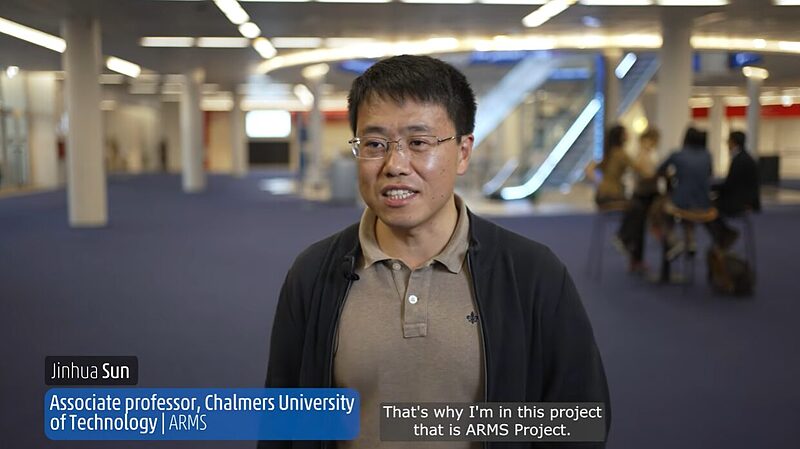
From Graphene Fibres to Flying Drones: Jinhua Sun Explains His ARMS Research in New Graphene Flagship Video
ARMS Showcased at ECCM22 in Oslo
 Cintia Mateo (AIMEN Technology Centre)
delivered a scientific presentation at the ECCM22 conference.
Cintia Mateo (AIMEN Technology Centre)
delivered a scientific presentation at the ECCM22 conference.
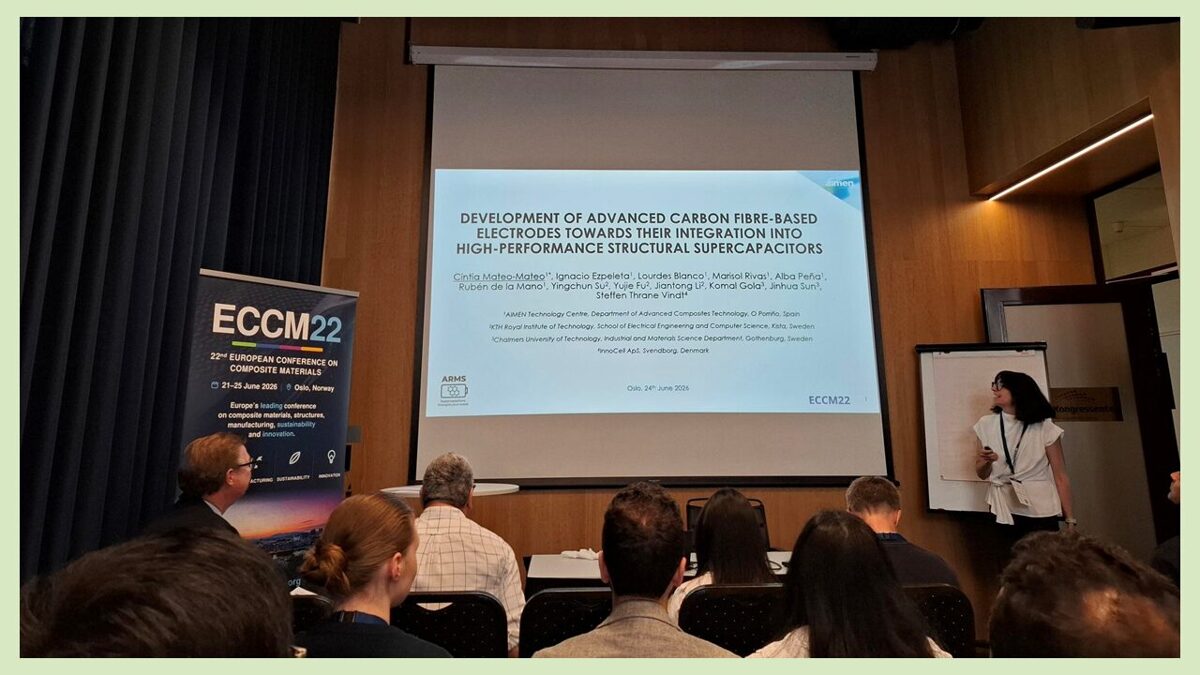
The ARMS project was represented at the 22nd European Conference on Composite Materials (ECCM22), held in Oslo, Norway, from 21–25 June, through the participation of project partner AIMEN Technology Centre.
During the conference, Cintia Mateo from ARMS partner organisation AIMEN Technology Centre delivered a scientific presentation titled “Development of Advanced Carbon Fibre-based Electrodes towards their Integration into High-performance Structural Supercapacitors” within the Functionality and Smart Systems session.
The presentation highlighted ongoing research on the development of advanced carbon fibre-based electrodes designed to enable multifunctional composite structures capable of both bearing mechanical loads and storing electrical energy. This work aligns closely with ARMS’ mission to advance next-generation multifunctional materials and energy-storage solutions for lightweight and high-performance applications.
ECCM22 provided an excellent platform to share ARMS research results with the international composites community, exchange knowledge with leading experts, and strengthen collaboration opportunities across academia and industry. As one of Europe’s leading conferences on composite materials and structures, ECCM brings together researchers, scientists, and industry professionals to discuss the latest scientific and technological developments in the field. The 2026 edition placed a particular focus on sustainability, disruptive technologies, and emerging applications across sectors such as aerospace, automotive, energy, maritime, infrastructure, and sports. Key themes included green and sustainable materials, recycling and repair technologies, advanced modelling and composite mechanics, digital and AI-assisted solutions, process monitoring and quality control, innovative characterization methods, and functional materials.
We thank AIMEN Technology Centre and Cintia Mateo for successfully representing the ARMS project at this prestigious event!
ARMS research results in a poster presentationat at FMNT 2026
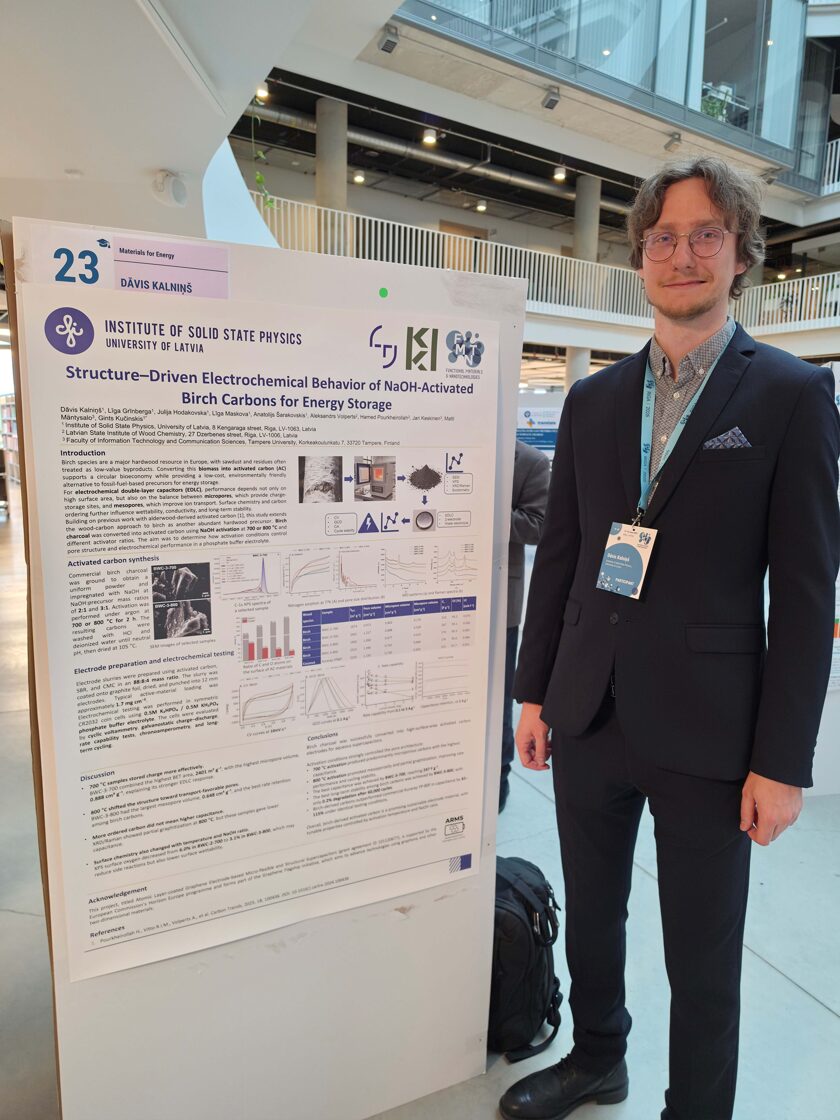 Poster presentation at FMNT 2026 in Riga: Dāvis Kalniņš (ISSP UL) presents ARMS-related research on NaOH-activated birch-derived carbon materials for energy storage applications. Photo: Hamed Pourkheirollah.
On 16 June, the day following the ARMS workshop at the Functional Materials and Nanotechnologies (FMNT 2026) conference in Riga, Latvia, the ARMS project maintained its presence by showcasing research through a poster presentation that highlighted innovative ideas on sustainable materials for energy applications.
A poster presentation by Dāvis Kalniņš, a representative of the Energy Materials Laboratory of the Institute of Solid State Physics, University of Latvia (ISSP UL), highlighted how everyday natural resources, such as birch wood, can be transformed into advanced materials for energy storage.
The presented research, “Structure–Driven Electrochemical Behavior of NaOH-Activated Birch Carbons for Energy Storage,” explores how carefully engineered biomass-derived carbon materials can enhance the performance of energy storage devices such as supercapacitors. By tailoring the structure and surface properties of these materials, the team demonstrates a pathway toward greener, high-performance alternatives to conventional electrode materials.
This work reflects the core ambition of the ARMS project: to develop sustainable, high-impact materials that support the transition to cleaner and more efficient energy technologies. By turning renewable resources into functional materials, ARMS partners are contributing to a circular approach in materials science—where waste and natural feedstocks become valuable components in future energy systems.
Participation in FMNT 2026 also provided an opportunity to connect with researchers from across Europe and beyond, exchange ideas, and showcase ARMS achievements to a broader scientific audience.
Read more about the FMNT 2026.
Read about the ARMS workshop at FMNT 2026.
Advancing Sustainable Energy Storage: Highlights from the ARMS Workshop at FM&NT 2026
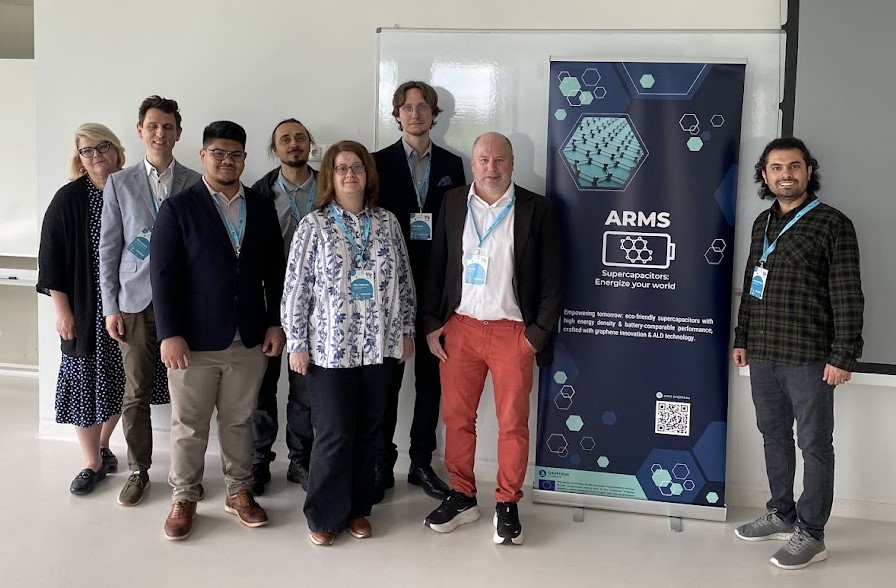 ARMS team (from left: Inese Jansone, Gints Kučinskis, Remuel Vitto, Aleksandrs Voļperts, Jūlija Hodakovska, Dāvis Kalniņš, Tero Pilvi,
Hamed Pourkheirollah). Photo: ARMS
ARMS team (from left: Inese Jansone, Gints Kučinskis, Remuel Vitto, Aleksandrs Voļperts, Jūlija Hodakovska, Dāvis Kalniņš, Tero Pilvi,
Hamed Pourkheirollah). Photo: ARMS
The session showcased how ARMS is driving innovation in sustainable, high-performance energy storage solutions, focusing on combining graphene-based materials with atomic layer deposition (ALD) to create next-generation supercapacitors. The project aims to deliver environmentally friendly devices with improved energy density while maintaining high power and long cycle life.
The workshop opened with a presentation by Hamed Pourkheirollah (Tampere University, Finland), who introduced the ARMS project and highlighted its progress in developing graphene-rich porous carbon materials, scalable fabrication routes, and eco-friendly electrolytes.
The focus on sustainability was further developed by Dr. Aleksandrs Voļperts (Latvian State Institute of Wood Chemistry), who presented advances in biomass-derived activated carbons. His talk demonstrated how renewable feedstocks, such as wood and other biomass sources, can be transformed into high-performance electrode materials, thereby supporting circular and environmentally responsible energy storage solutions.
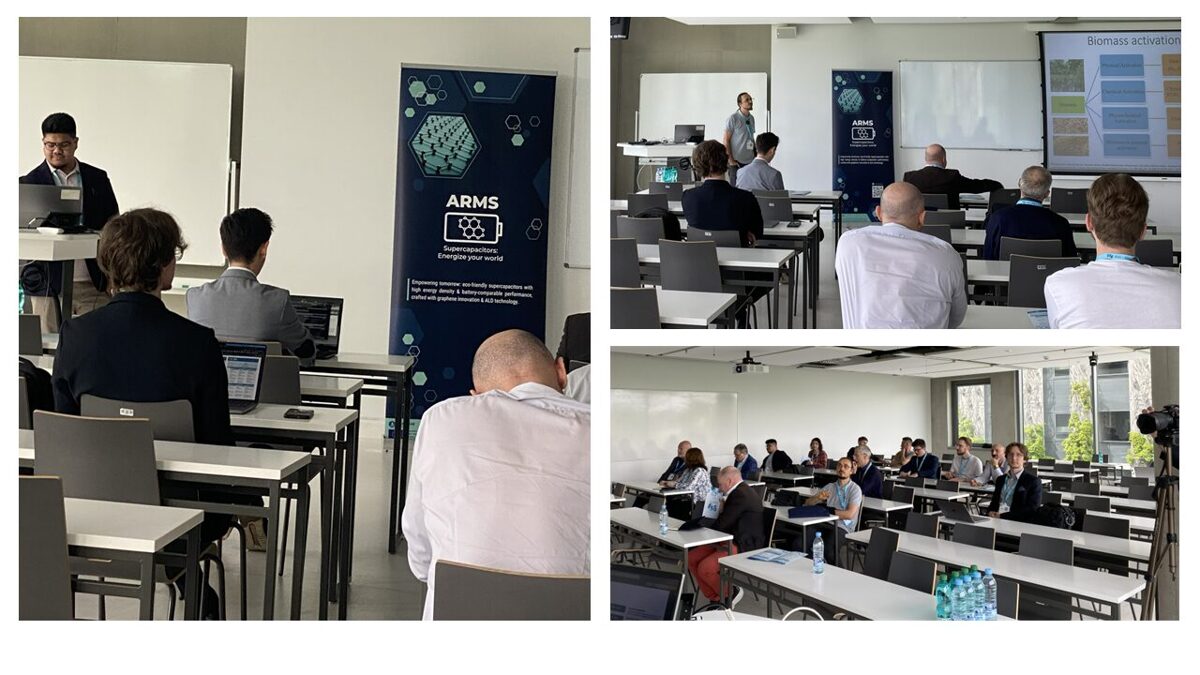
Providing essential scientific context, Dāvis Kalniņš (Institute of Solid State Physics, University of Latvia) guided participants through the principles of supercapacitors and electrochemical measurement techniques, emphasizing the importance of comprehensive performance evaluation to ensure reliable, comparable results.
Advances in material engineering were highlighted by Remuel Isaac M. Vitto (Tampere University), who presented how atomic layer deposition (ALD) can be used to enhance electrode performance. His work demonstrated that ultra-thin, conformal coatings can significantly increase capacitance by introducing additional charge-storage mechanisms while preserving the porous structure of carbon materials.
Bringing an industry perspective, Tero Pilvi (Beneq, Finland) addressed the crucial step from laboratory research to real-world applications. His presentation focused on the scaling up of ALD technologies, outlining how advanced coating processes can be translated into large-scale manufacturing for supercapacitors and batteries.
Overall, the ARMS workshop provided a dynamic platform for knowledge exchange, underlining the importance of collaboration between academia and industry. The presentations demonstrated strong progress across the value chain—from sustainable raw materials to scalable production technologies—reinforcing the project’s ambition to deliver next-generation supercapacitors that can compete with conventional energy storage solutions.
From Master’s Thesis to ARMS research: a story from Tampere University
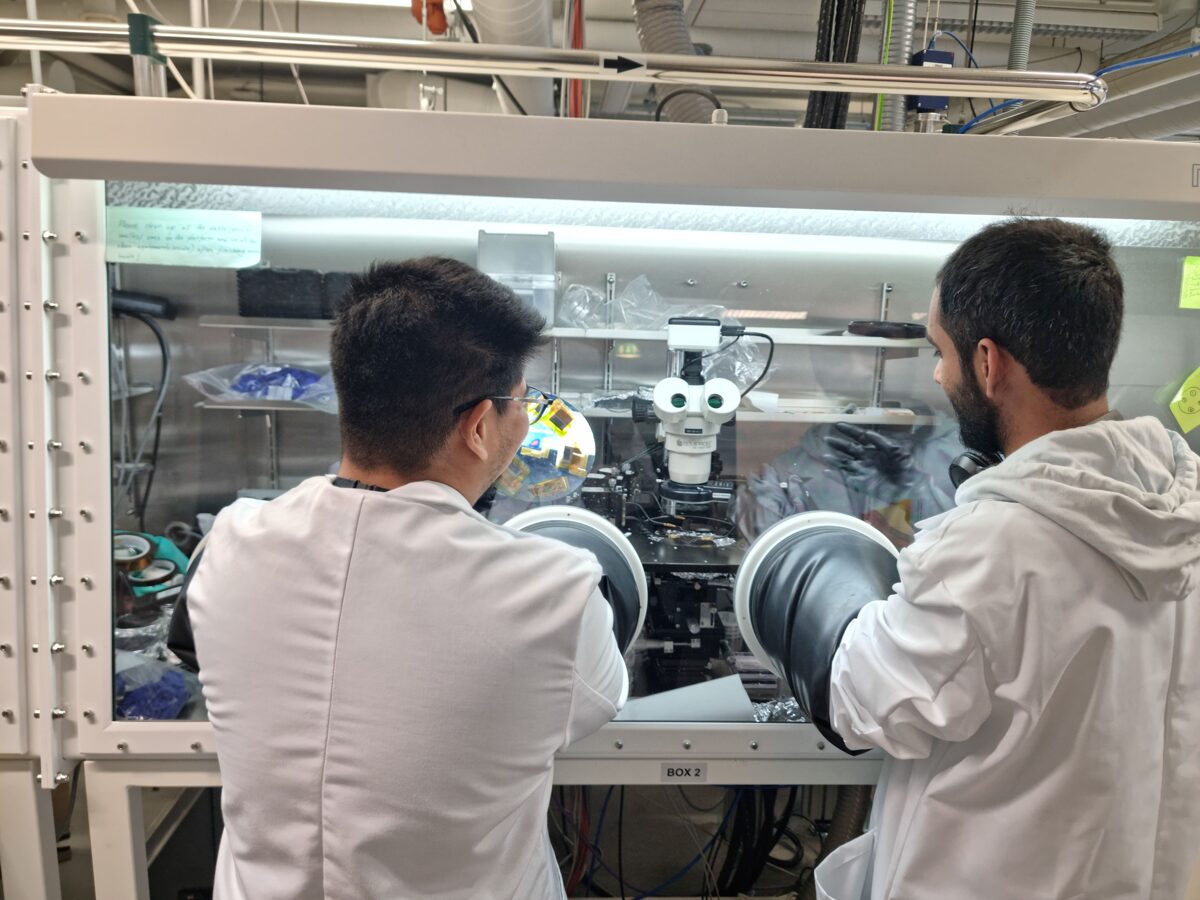 Muhammad Huzaifa Awais
(right) at Tampere University, working in a controlled glovebox environment as part of the ARMS project, supporting materials development for energy storage applications.
Muhammad Huzaifa Awais
(right) at Tampere University, working in a controlled glovebox environment as part of the ARMS project, supporting materials development for energy storage applications.
As part of the MSc Materials Science and Engineering programme at Tampere University, Muhammad Huzaifa Awais contributed to the ARMS project through his master’s thesis, working as a Research Assistant at the Faculty of Information Technology and Communication Sciences (ITC).
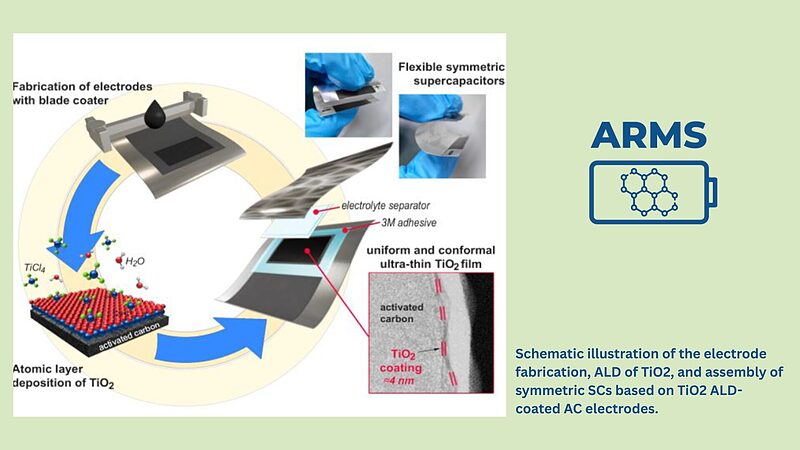
His work was carried out within Work Package 3 (WP3) of the ARMS project and focused on investigating TiO₂ thin films deposited on bio-based activated carbon using atomic layer deposition (ALD). The aim of this research was to enhance the electrochemical properties of the material for supercapacitor applications.
By systematically varying the ALD deposition parameters, Awais examined how these changes influenced the performance of the resulting materials. The study combined electrochemical testing with advanced materials characterization methods to better understand the relationship between the structure of the oxide-decorated carbon and its electrochemical behaviour.
The results contribute to ARMS’ broader research approach, which integrates advanced carbon materials with metal oxide decoration via ALD. This work supports the project’s goal of developing scalable, cost-effective energy storage solutions based on graphene-rich, bio-based carbon materials.
Through this work, Awais’ master’s thesis demonstrates how
student research can directly advance material development within collaborative European research projects such as ARMS.
ARMS researchers featured in GRAPHERGIA podcast filmed at Graphene Week 2025
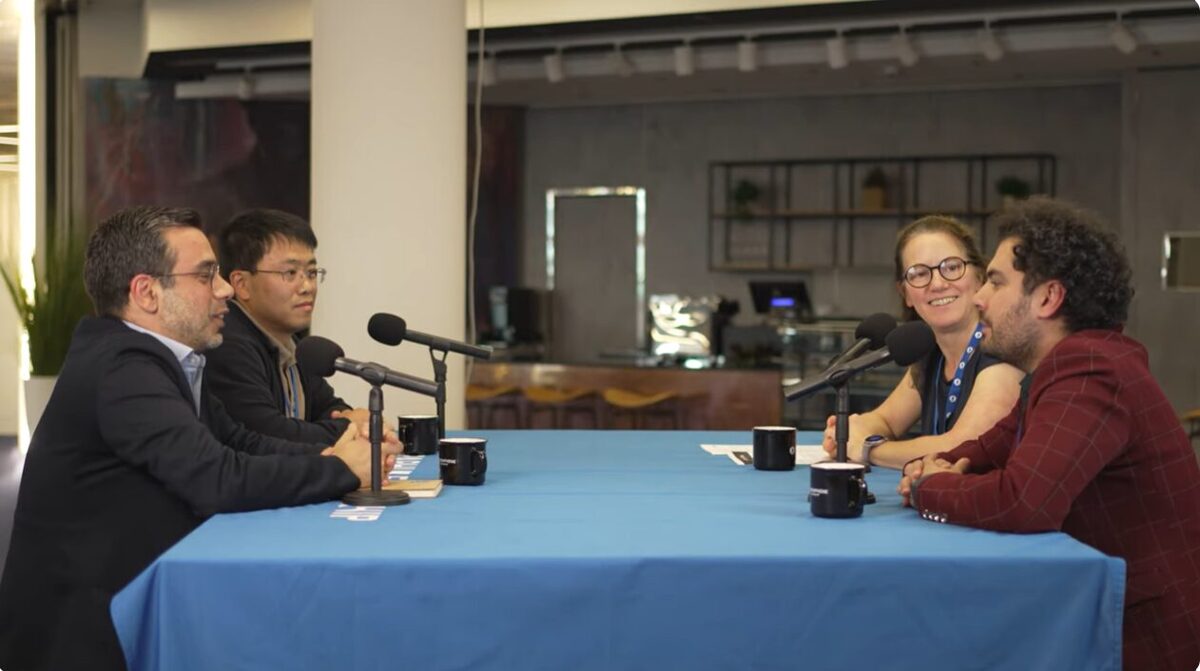
ARMS researchers participated in a GRAPHERGIA podcast episode, filmed during Graphene Week 2025 and subsequently released on YouTube and Spotify. The podcast was organised by GRAPHERGIA, a sister project within the Graphene Flagship, and produced by the Graphene Flagship. The series provides a platform for European researchers to share and discuss advances in graphene-enabled sustainable energy technologies.
The episode, titled “Charging the Future: How Graphene Fuels Sustainability”, is part of the GRAPHERGIA Podcast Series. It is hosted by Maria Abrahamsson, Director at the Graphene Flagship, and features contributions from:
- Athanasios Masouras, Chief Operations Officer at Pleione Energy (GRAPHERGIA)
- Hamed Pourkheirollah, Postdoctoral Researcher and Technical Project Manager at Tampere University (ARMS)
- Jinhua Sun, Associate Professor at Chalmers University of Technology (ARMS)
In the discussion, the ARMS representatives share insights from project ARMS on the development of structural and multifunctional energy storage systems. From around minute 20 onward, they explain how ARMS integrates energy storage directly into load-bearing composite structures, highlighting the potential to reduce weight, improve efficiency, and enable new system architectures beyond conventional battery-based designs.
The episode places ARMS research within the broader Graphene Flagship collaboration, linking it with GRAPHERGIA’s work on graphene- and 2D‑material‑enhanced Li‑ion batteries and sustainable energy solutions. The conversation underlines the importance of cross‑project cooperation to bridge fundamental materials research and real‑world applications.
Watch or listen to the podcast episode on YouTube or Spotify.
By contributing to this collaborative podcast, ARMS strengthens its engagement with the Graphene Flagship community and helps bring complex research topics to a wider audience through accessible communication formats.
Project ARMS showcases structural supercapacitors at JEC World 2026
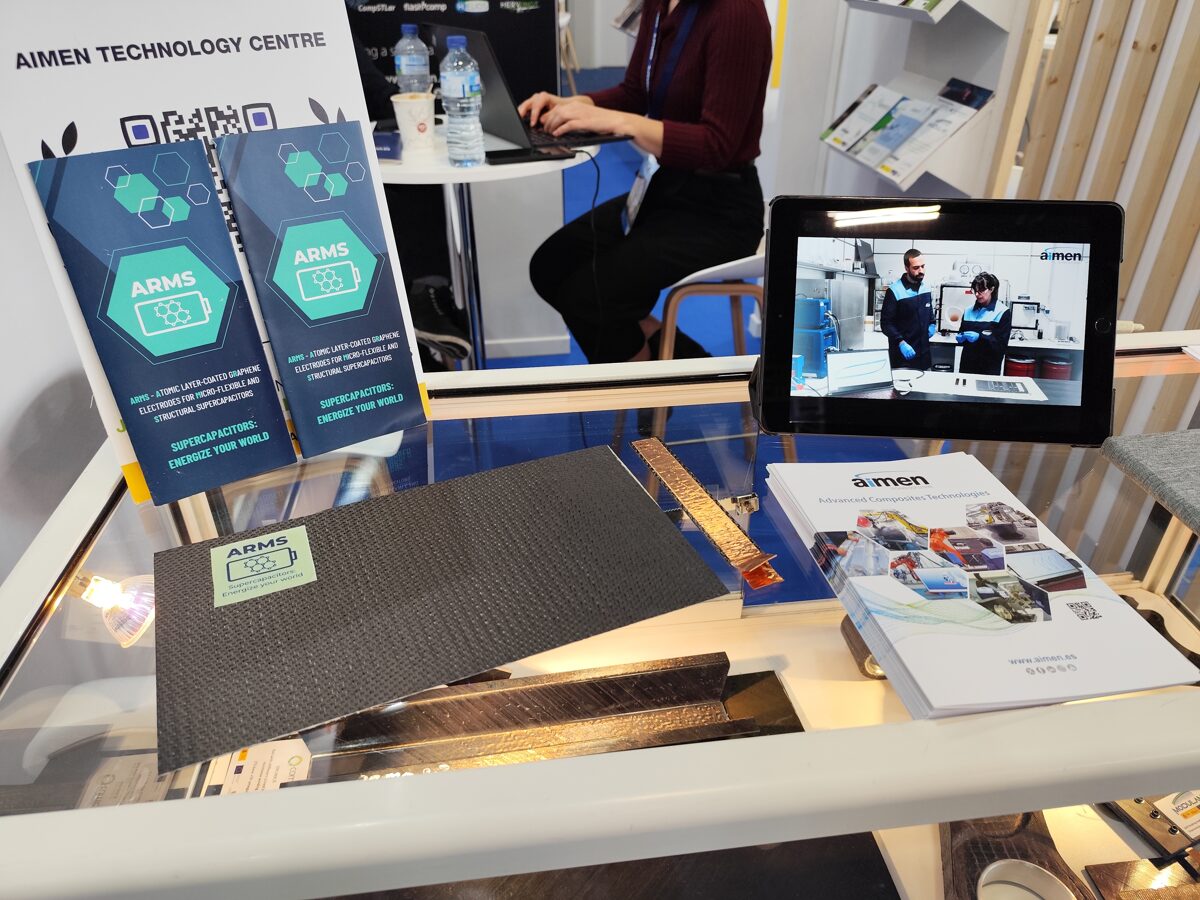 ARMS information and demonstrator at the JEC World 2026.
Photo: Cintia Mateo, AIMEN Technology Center
ARMS information and demonstrator at the JEC World 2026.
Photo: Cintia Mateo, AIMEN Technology Center
The project was showcased by Cintia Mateo from AIMEN Technology Center, a consortium partner in the ARMS project. During the event, she presented high-performance composite-based energy storage solutions developed within the project, demonstrating how multifunctional composites can combine structural and energy-storage capabilities in a single material system.
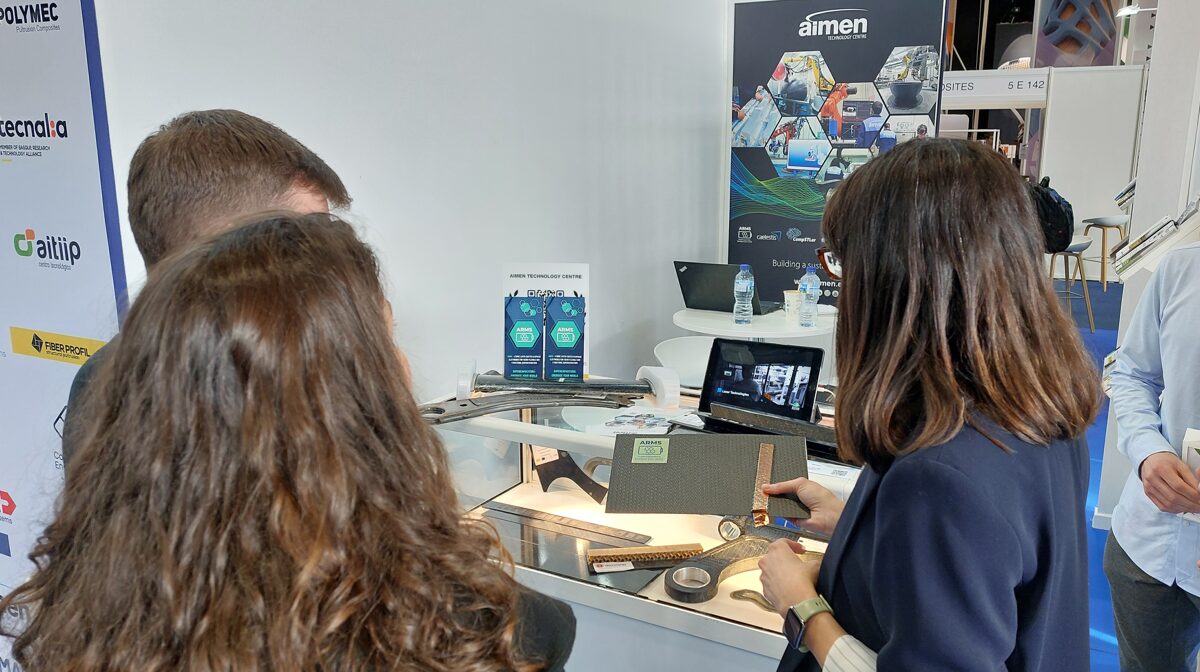 Cintia Mateo showcases the ARMS structural supercapacitor at the JEC World 2026. Photo: AIMEN Technology Center.
The structural supercapacitor demonstrators showcased at the event highlighted the potential of these technologies across applications ranging from consumer electronics to electric vehicles and advanced mobility systems. By integrating mechanical strength and electrical functionality, these solutions support lighter, more efficient designs, in line with the ARMS project’s goals of enhanced energy efficiency and system integration.
About JEC World
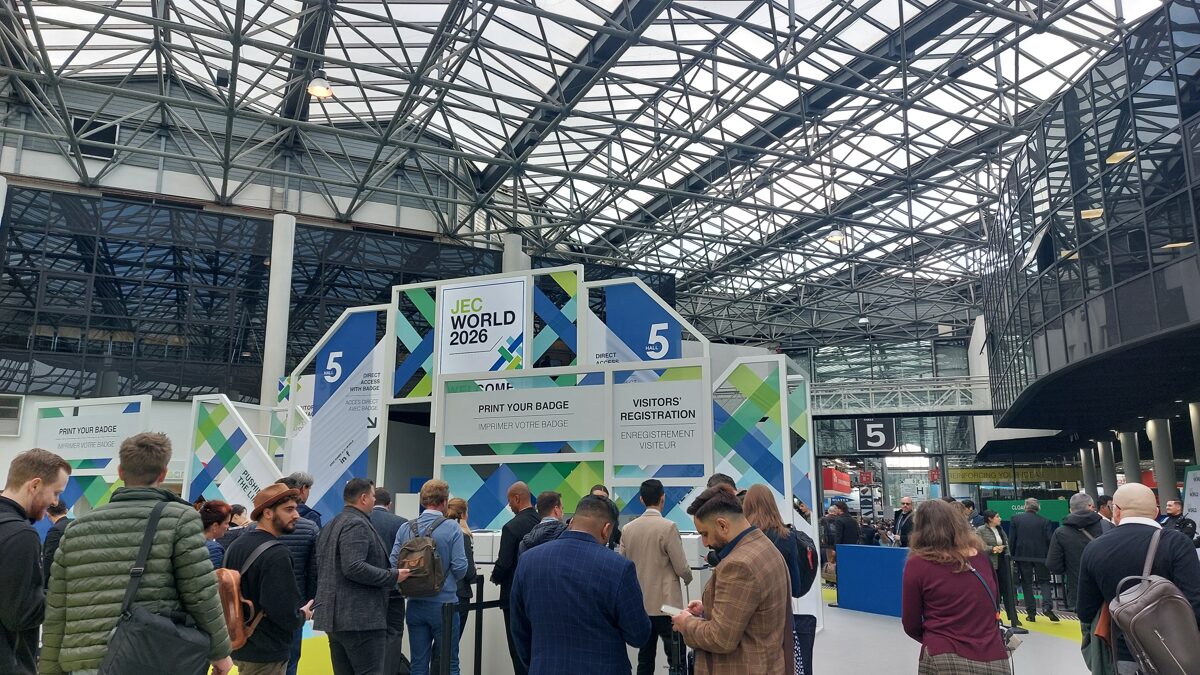 JEC World 2026 in Paris, France. Photo: Cintia Mateo, AIMEN Technology Center
JEC World is recognized globally as the largest and most influential event for the composite materials industry. It brings together the entire value chain, including materials producers, technology providers, researchers, industrial end‑users, and innovators, serving as a key meeting point for knowledge exchange, business development, and technology transfer.
The 2026 edition took place from 10–12 March 2026 at Paris Nord Villepinte Exhibition Center and reached an unprecedented scale:
- Over 1,300–1,400 exhibitors from more than 50 countries
- Approximately 40,000–45,000 professional visitors representing over 100 countries
- Applications spanning sectors such as automotive, aerospace, energy, construction, marine, electronics, and mobility
JEC World is primarily aimed at industry professionals, researchers, engineers, technology developers, and decision-makers, making it an ideal platform for presenting advanced research results with strong industrial relevance.
Strengthening Visibility for Project ARMS
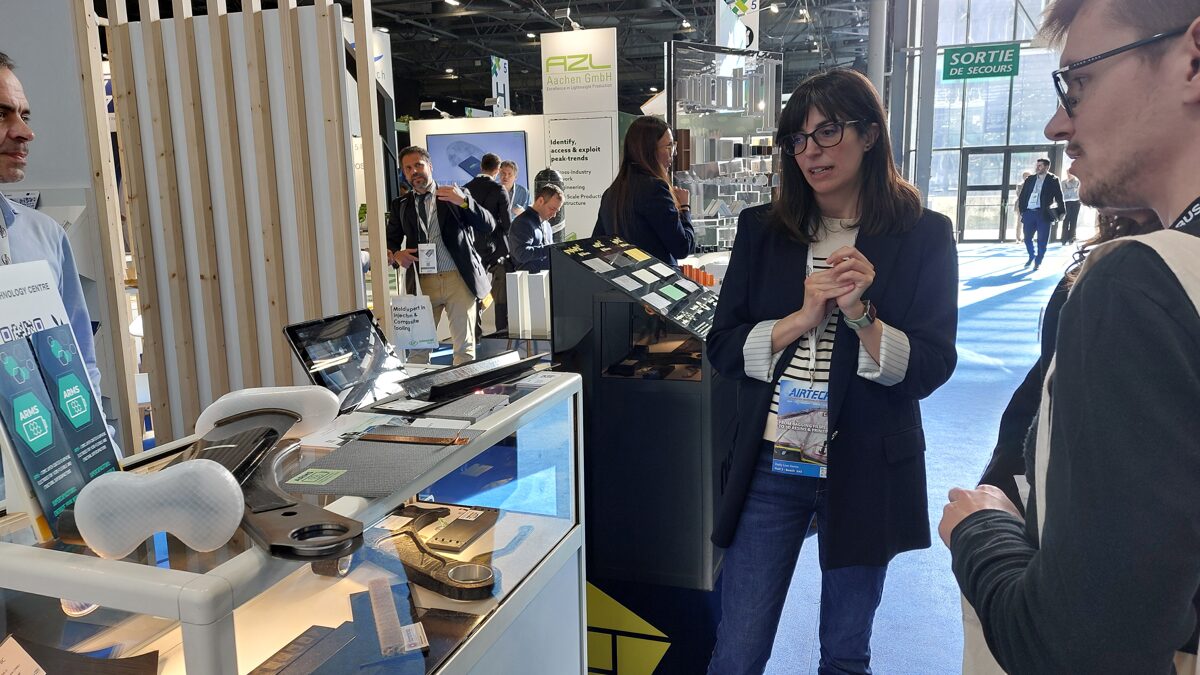 Cintia Mateo promoting the ARMS project at JEC World 2026. Photo: AIMEN Technology Center.
Participation in JEC World 2026 increased Project ARMS' visibility within the global composites and advanced materials community. By presenting structural supercapacitor demonstrators in such a high‑profile setting, the project contributed to discussions on multifunctional materials, lightweight design, and next‑generation energy storage technologies.
The event also offered valuable opportunities to network with industry stakeholders, explore potential application pathways, and align ARMS innovations with emerging market needs in sustainable mobility and energy systems.
More information about the event
is available on the official JEC World website.
Project ARMS showcases research strength at LOPEC 2026
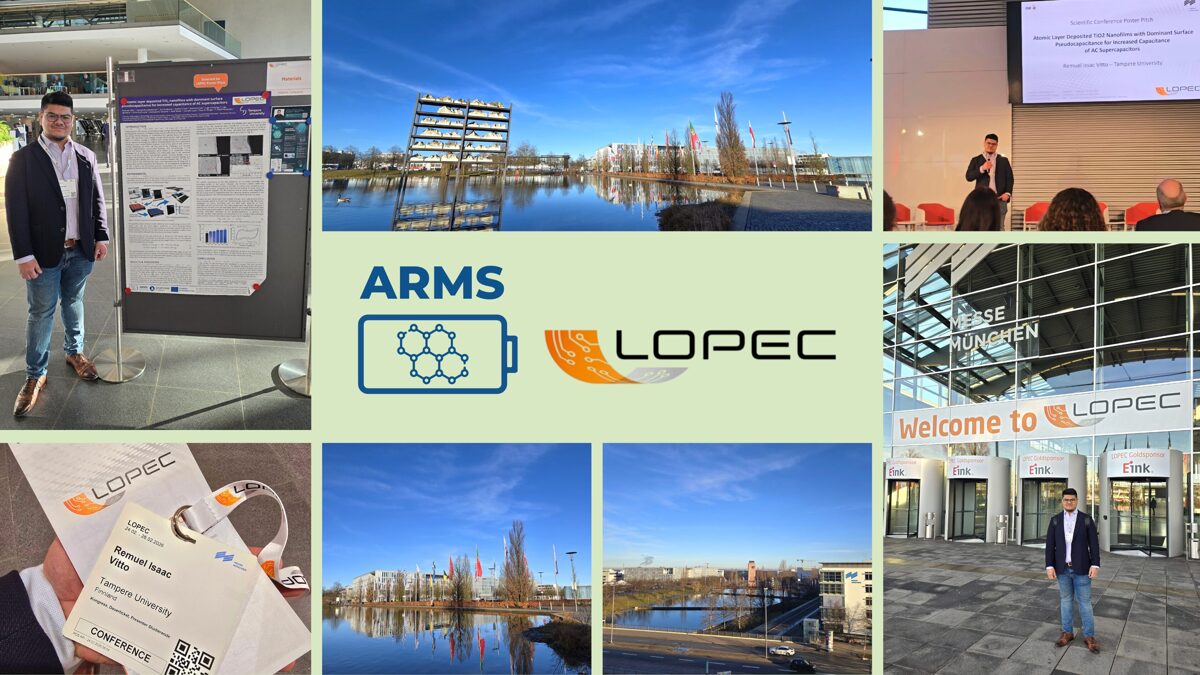
The ARMS project marked a strong presence at LOPEC 2026, the world’s leading exhibition and conference for flexible, organic, and printed electronics, held from February 24–26 at the ICM–International Congress Center in Munich. The event gathered 158 exhibitors from 29 countries and more than 2,400 visitors, reinforcing its role as a premier global platform for innovation in printed electronics. Representing Tampere University and the ARMS consortium, Prof. Matti Mäntysalo, ARMS Project Coordinator, took part in the conference to strengthen international collaborations and highlight ongoing advances in sustainable and next-generation electronic materials.
A central scientific contribution from ARMS was delivered by Remuel Isaac Vitto (Tampere University), who presented his Poster Pitch titled “Atomic layer deposited TiO₂ nanofilms with dominant surface pseudocapacitance for increased capacitance of AC supercapacitors.” His team demonstrated a 61% increase in specific capacitance using ALD-grown TiO₂ nanofilms integrated with porous activated carbon—an important step toward high-performance supercapacitors. In the Poster Pitch session, Remuel had the opportunity to captivate the interest of researchers working directly in the same field and the curiosity of attendees from other domains. He said he was "grateful for the meaningful discussions during the session, which provided interesting ideas and insightful feedback that could strengthen the results of my ongoing research. Visiting the exhibition booths was also very interesting, as it offered demonstrations of state-of-the-art equipment and emerging technologies shaping the future of printed electronics."
The ARMS project was also represented at the event by Prof. Paul R. Berger (Ohio State University / Tampere University), leader of Work Package 3. In the conference, Prof. Berger contributed to the scientific program by chairing one of the LOPEC 2026 technical sessions, underscoring his leadership role in the printed electronics community.
Summarizing his overall experience, Remuel reflected: “I had a wonderful time connecting with fellow researchers and engaging with companies that could become valuable partners for future collaborations within the ARMS project.” This sentiment captures the collective impact of ARMS’ participation: strengthened international partnerships, increased visibility of the project’s scientific achievements, and new opportunities for collaboration in the rapidly advancing field of flexible and printed electronics.
New ARMS Publication Reveals How Alder Wood Becomes a High‑Performance Supercapacitor Material

The ARMS consortium is celebrating a new scientific milestone: a collaborative publication that demonstrates how sustainable materials and smart engineering can redefine what printed energy‑storage devices can achieve. In our new Small Science open‑access article, a team of researchers Hamed Pourkheirollah, Remuel Isaac M. Vitto, Jari Keskinen, and Matti M¨antysalo from Tampere University, Dāvis Kalniņš, Līga Grīnberga, Anatolijs Šarakovskis, Gints Kučinskis from the Institute of Solid State Physics, University of Latvia, Aleksandrs Volperts from the Latvian State Institute of Wood Chemistry, and Steffen Thrane Vindt from the InnoCell ApS present a breakthrough in the development of high‑performance printed supercapacitors built from NaOH‑activated carbon derived from alder wood – a biomass precursor that is abundant, renewable, and surprisingly powerful when treated with the right chemistry.
The publication begins with a simple question: Can a material as ordinary as wood be transformed into a high‑value component for next‑generation energy storage? The team’s answer is a resounding yes. By carefully optimizing a low‑temperature activation process using sodium hydroxide, they produced a family of carbon materials—called AWC (activated wood carbon)—with finely tuned porosity and exceptionally high surface areas. Among them, one formulation proved extraordinary: AWC 3‑600, created using a 3:1 NaOH‑to-carbon ratio at 600 °C. This material offered a uniquely well‑balanced pore architecture, combining a very high specific surface area of 2393 m²/g with 85.4% microporosity, allowing ions to move efficiently while providing enormous surface for charge storage.
But the real test came when this carbon was printed into supercapacitor devices. Using water‑based inks and flexible substrates, the team fabricated environmentally friendly, scalable devices—an approach perfectly aligned with ARMS’ mission to support green, future‑proof manufacturing methods. When the devices were tested, the results exceeded all expectations. AWC 3‑600 delivered 307 F/g in NaCl electrolyte and 291 F/g in potassium phosphate buffer, more than doubling the performance of the commercial benchmark material in several cases. Its energy density reached up to 61 Wh/kg, and perhaps most impressively, the printed supercapacitors retained 95% of their capacitance after 10,000 charge–discharge cycles, demonstrating long‑term durability that rivals many commercial systems.
Beyond the headline numbers, the study also uncovers deeper insights. The researchers show how the match between pore structure and electrolyte ion size fundamentally shapes performance. Smaller Na⁺ and Cl⁻ ions thrive in the narrow microporous networks created at lower activation temperatures, which explains why AWC 3‑600 excelled with NaCl. Meanwhile, larger phosphate ions perform better in carbons with a higher proportion of mesopores, such as AWC 4‑700, activated at 700 °C. This connection between activation chemistry, pore architecture, and electrolyte compatibility provides a roadmap for designing tailored, application‑specific energy‑storage materials in the future.
The publication also highlights the strength of the ARMS collaboration. The Latvian State Institute of Wood Chemistry engineered the carbon materials; the Institute of Solid State Physics, University of Latvia, carried out detailed structural and chemical characterisation; Tampere University developed and tested the printed devices; and InnoCell ApS contributed materials expertise and device‑level insight. This multi‑partner effort showcases how ARMS brings together complementary skills to accelerate scientific progress.
Ultimately, this work demonstrates that high‑value energy‑storage materials do not need to rely on rare resources or energy‑intensive processes. With thoughtful design and cross‑disciplinary collaboration, biomass waste can be upcycled into advanced carbon materials, enabling printed supercapacitors that are powerful, stable, and environmentally responsible. It’s a story of innovation grounded in sustainability – a story that reflects the core ambitions of ARMS.
When research meets reality – Lynxdrone’s role in project ARMS
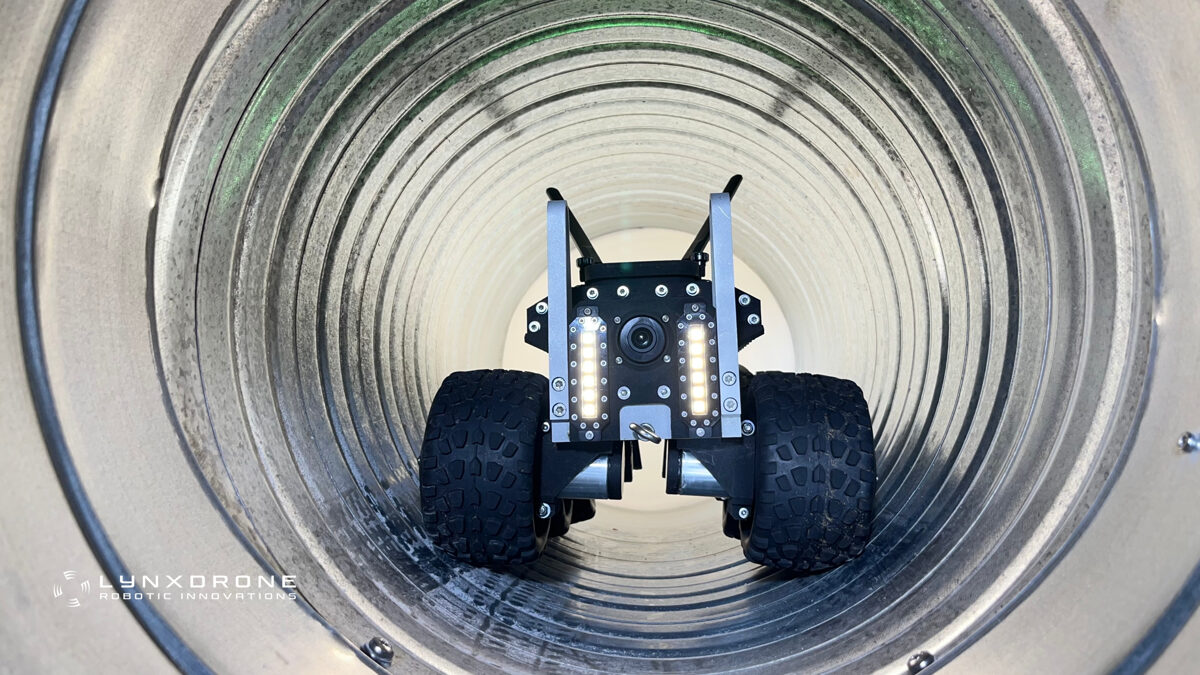
Lynxdrone is a French company
specialising in advanced drone and robotic systems for industrial inspection in
complex and safety‑critical environments. Combining expertise in robotics
engineering, embedded systems, and perception technologies, the company
develops reliable operational platforms that improve inspection efficiency
while reducing risk and environmental impact.
Within the ARMS project, Lynxdrone acts as an industrial partner focused on system-level integration and validation. While ARMS develops novel graphene-based and bio-derived structural supercapacitors, Lynxdrone’s role is to translate these technologies into functional, deployable drone systems suitable for real-world use.
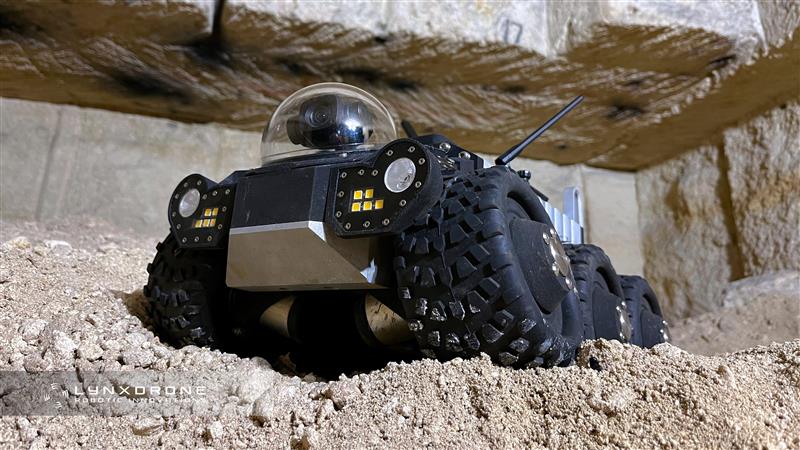
A key innovation of ARMS is the integration of energy storage directly into load‑bearing structures. This concept fundamentally changes drone architecture and requires close alignment between materials design and system engineering. Lynxdrone bridges this gap by adapting drone architectures to embed structural supercapacitors while maintaining mechanical integrity, performance, safety, and reliability. This includes addressing weight distribution, mechanical constraints, electrical interfaces, and mission-specific operational requirements.
By working with a realistic industrial inspection use case, Lynxdrone ensures that ARMS technologies are assessed under real operational conditions. The integration process allows evaluation of how structural supercapacitors can reduce structural weight, simplify system architecture, enable ultra-fast charging and rapid redeployment, reduce maintenance needs, and lower safety risks compared to conventional batteries.
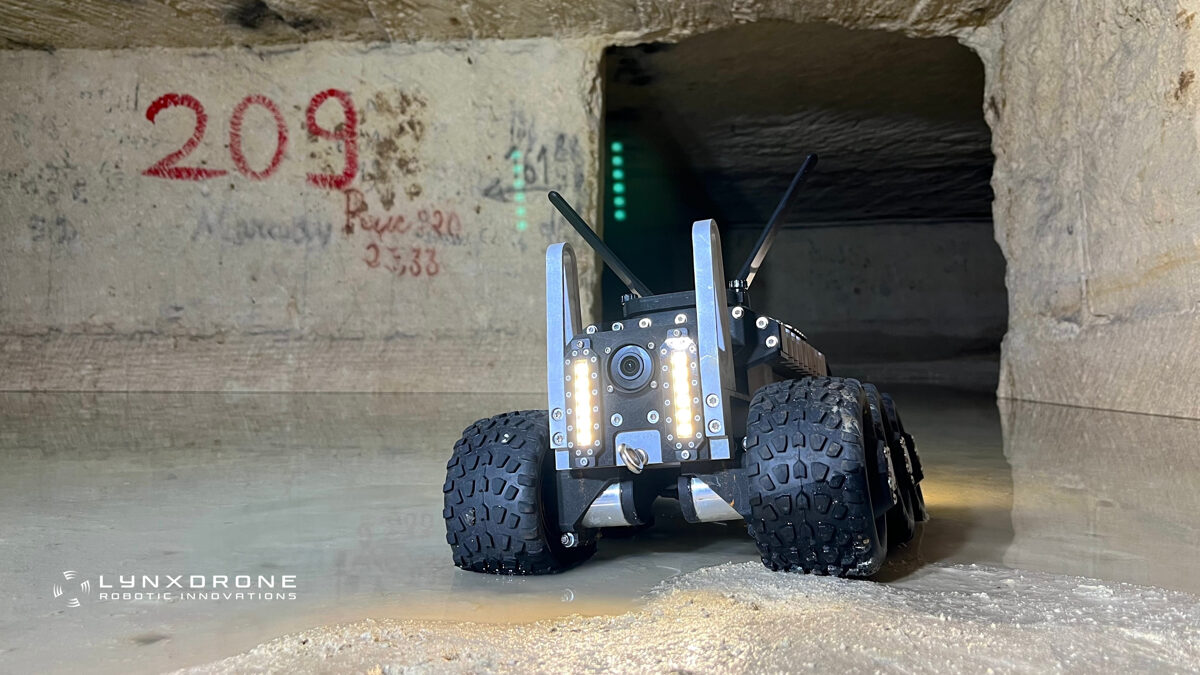
A central contribution from Lynxdrone is the development of a demonstrator drone powered by structural supercapacitors. Rather than a laboratory prototype, the demonstrator showcases a system architecture aligned with industrial requirements, supporting ARMS’s goal of moving beyond proof of concept towards industrial adoption.
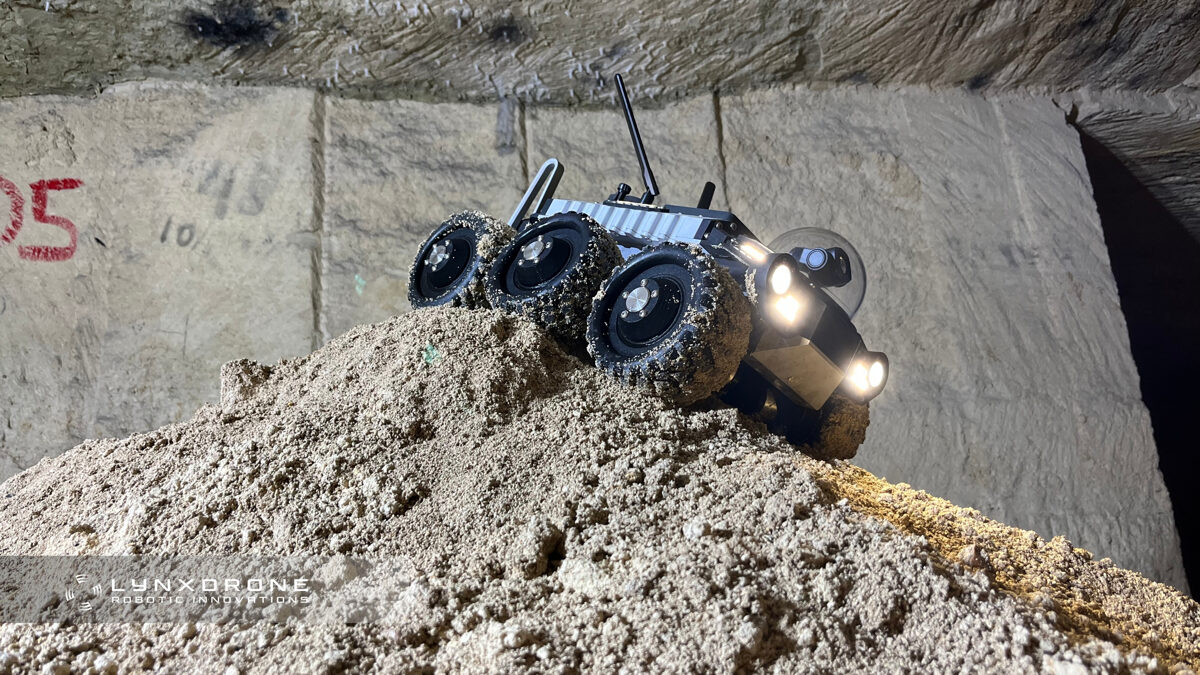
Through its participation in ARMS, Lynxdrone represents the application and deployment perspective, ensuring that material‑level innovations translate into tangible system‑level benefits. This reflects the company’s broader mission to bridge cutting‑edge research and real‑world deployment, contributing to safer, more efficient, and more sustainable robotic inspection solutions.
Sustainable electronics for the future: insights from ARMS coordinator Prof. Matti Mäntysalo
P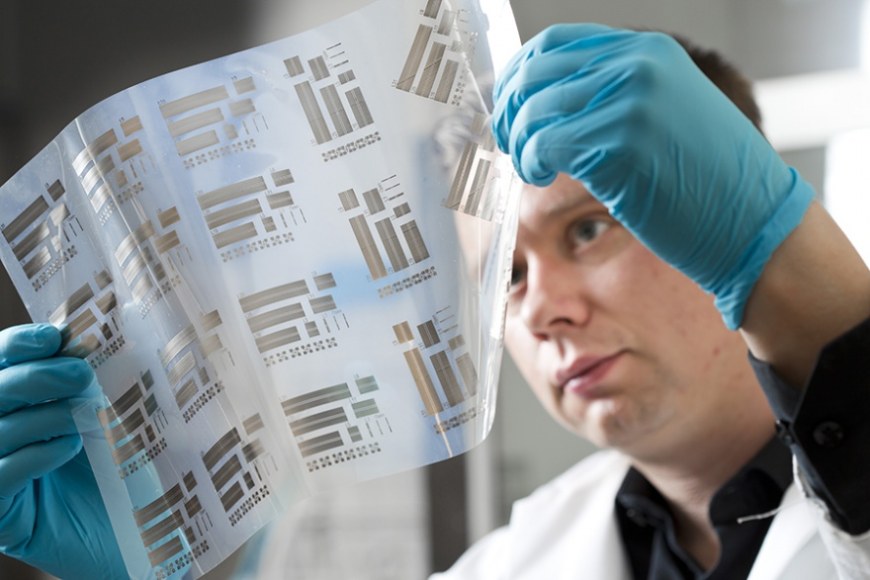 Prof. Matti Mäntysalo studying printed electronics. Photo - Tampere University.
Recently, Tampere University website published an interview with project ARMS coordinator Prof. Matti Mäntysalo. In the interview, he shares how his team at Tampere University is reshaping electronics manufacturing toward sustainability, efficiency, and circular‑economy principles. Prof. Mäntysalo's research focuses on printed and additive manufacturing, in which electronics are built using minimal material, low temperatures, and far fewer chemicals, enabling bio‑based, biodegradable, and low‑energy components.
These breakthroughs directly support the ARMS mission to develop eco‑friendly, high‑performance supercapacitors using scalable processes and sustainable carbon‑based materials. Mäntysalo’s team also explores alternatives to critical raw materials and promotes new paths for environmental and healthcare applications, from biodegradable soil sensors to low‑cost wearable diagnostics.
His vision reflects the core of ARMS: smarter materials, cleaner manufacturing, and real‑world impact made possible through strong industry collaboration.
CIDETEC Energy Storage: bridging advanced materials and industrial energy storage devices
CIDETEC Energy Storage is an applied research centre specialising in advanced energy storage technologies. We develop battery technologies from the materials level through to the manufacturing and validation of cells at pre-industrial scale, covering the entire value chain. Our mission is to accelerate technology transfer to industry and support a sustainable energy transition in Europe.
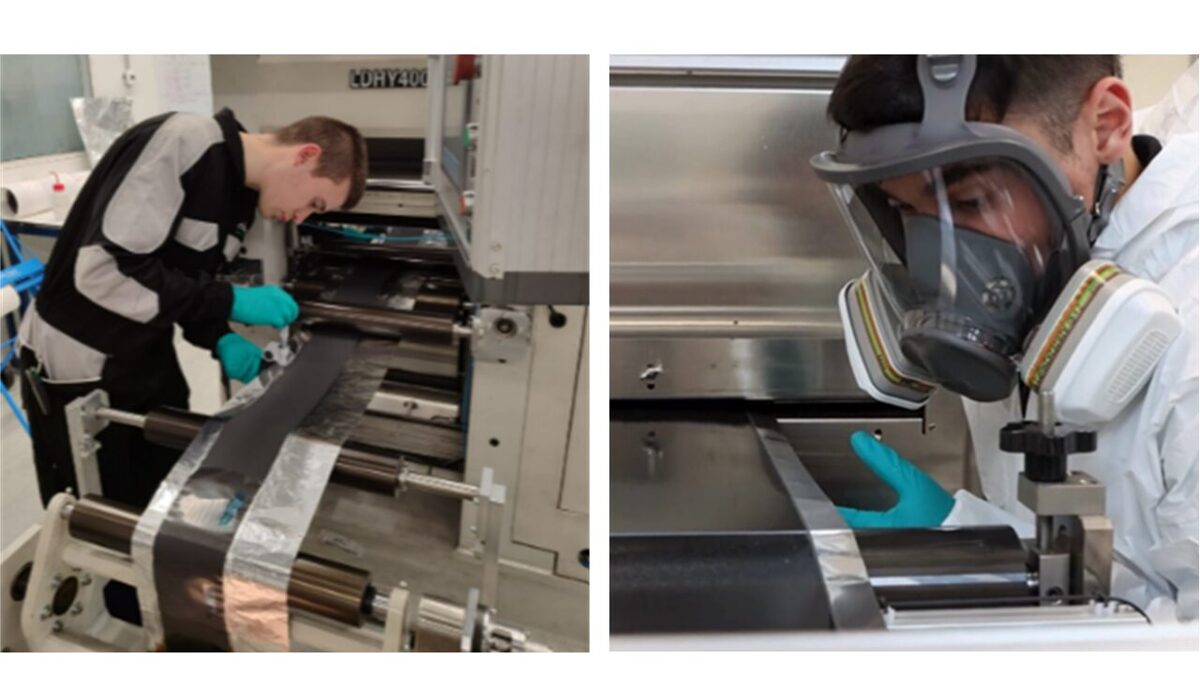
Within the ARMS project, CIDETEC Energy Storage contributes its expertise as the partner responsible for translating technologies developed in the initial work packages into functional devices. Our team specialises in electrode processing and pilot-scale cell assembly, bringing extensive experience in adapting emerging technologies to industrial manufacturing processes.
As part of ARMS, CIDETEC plays a key role in WP2 (Electrode Fabrication). In this work package, based on the active materials developed earlier in the project, our team optimises electrode formulations and processing steps, including mixing, roll-to-roll coating, drying, and calendering. The objective is to produce stable, high-quality electrodes that are fully compatible with cell assembly.
In parallel, within WP5 (Supercapacitor Device Integration and Demonstration), CIDETEC is responsible for assembling asymmetric cells using multi-layer stacking processes and Z-folded separators. This includes critical steps such as electrolyte filling, conditioning, and cell sealing. Following successful validation of the electrochemical performance of the new materials—aimed at increasing energy density without compromising power capability or cycle life—these cells will be deployed as replacements in wireless environmental monitoring applications.
From Laboratory Innovation to Industrial Manufacturing
Scaling ALD for Supercapacitor Production in the ARMS Program
Moving supercapacitor innovations from laboratory research to industrial manufacturing requires early focus on scalability. Within the ARMS program, Beneq’s role is to translate academic atomic layer deposition (ALD) processes into stable, manufacturable solutions suitable for production environments.
From Proof to Manufacturable Reality
Within ARMS, materials and ALD processes are first validated on Beneq TFS 200 R&D equipment in academic laboratories.
Progress toward manufacturing requires a shift from experimental optimization to defined operating conditions suitable for reliable, repeatable production.
This shift is governed by practical requirements such as substrate format, output volume, throughput, thermal limits, and cost, guiding process transfer from laboratory tools to industrial batch ALD, and onward to large batch scale equipment and spatial roll-to-roll platforms.
What Beneq Delivers in ARMS
Beneq is responsible for de-risking the transition from validated ALD concepts to industrially deployable processes. This includes selecting scalable approaches, adapting them to production-grade ALD platforms, and verifying performance under manufacturing-relevant conditions.
Proven Industrial ALD Platforms
Beneq’s contribution to ARMS builds on extensive experience in industrial ALD across multiple markets:
- P-series batch ALD for high-volume semiconductor component coating
- SCS 1000 sheet-to-sheet coater, for high-throughput prototyping
- Genesis roll-to-roll ALD for continuous, high-throughput manufacturing
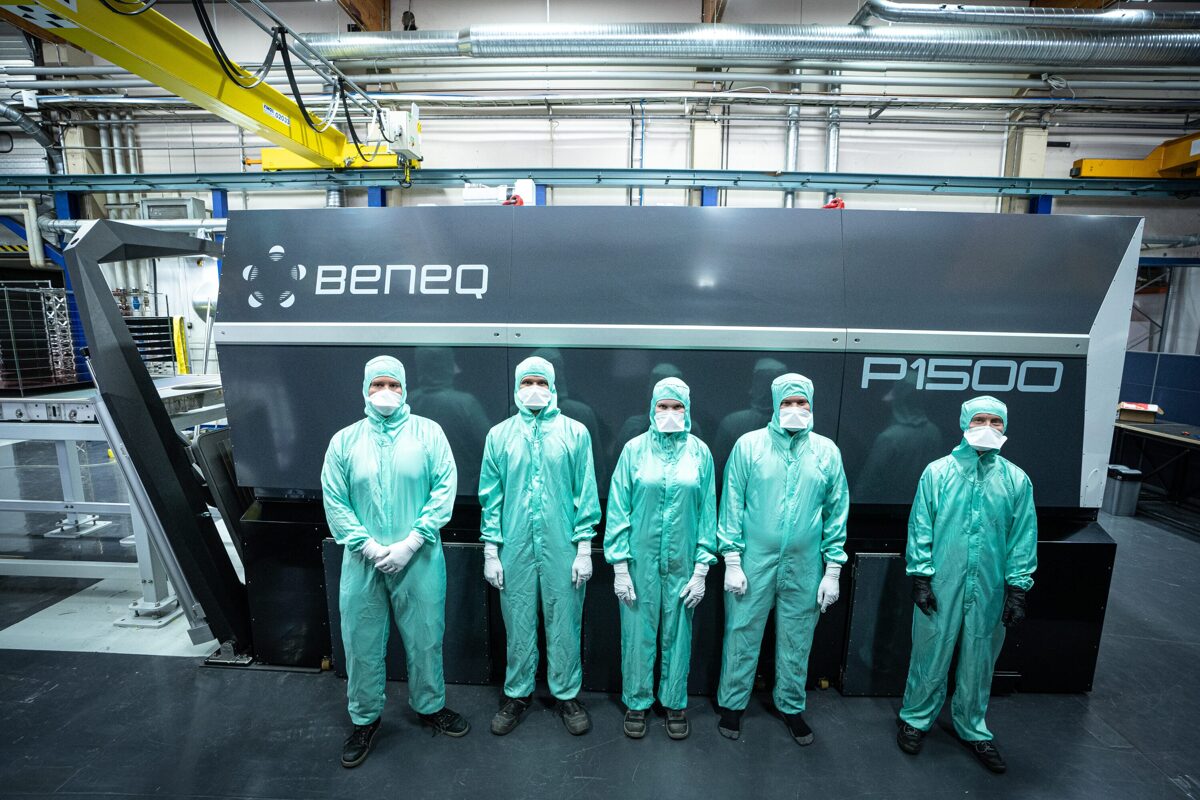 Beneq P1500, world’s largest batch ALD
production platform
Beneq P1500, world’s largest batch ALD
production platform
These platforms represent established and emerging production use cases, demonstrating Beneq’s ability to scale ALD to industrial manufacturing.
Expertise Driving Commercialization
ARMS activities at Beneq are led by Dr. Andrew Cook, whose background in spatial ALD and industrial scale-up supports the transition of laboratory innovations into production-ready processes since 2014. Together with Beneq’s spatial ALD team, he brings extensive experience in commercializing ALD technologies across thin-film processing, optical, and energy-related applications.
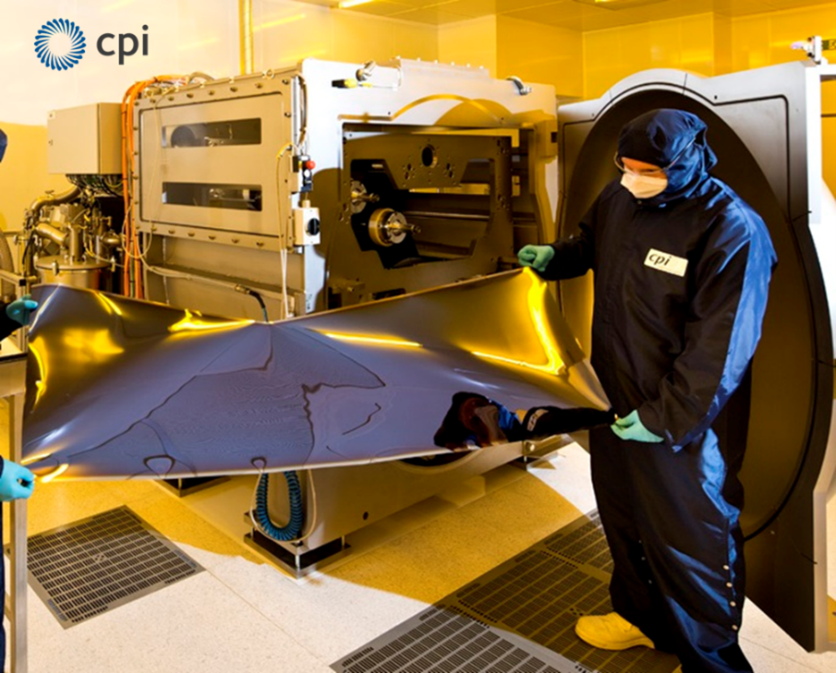 Dr. Andrew Cook with the Beneq WCS 600
roll-to-roll system (image credit: CPI UK)
Dr. Andrew Cook with the Beneq WCS 600
roll-to-roll system (image credit: CPI UK)
Enabling Industrial Impact
Through ARMS, Beneq supports the progression of supercapacitor technologies from laboratory innovation to industrial reality. By combining ALD expertise, scalable platforms, and manufacturing-focused development, Beneq helps ensure that promising research outcomes can be realized at production scale.
Chalmers University develops versatile method for enhanced supercapacitor performance in ARMS project
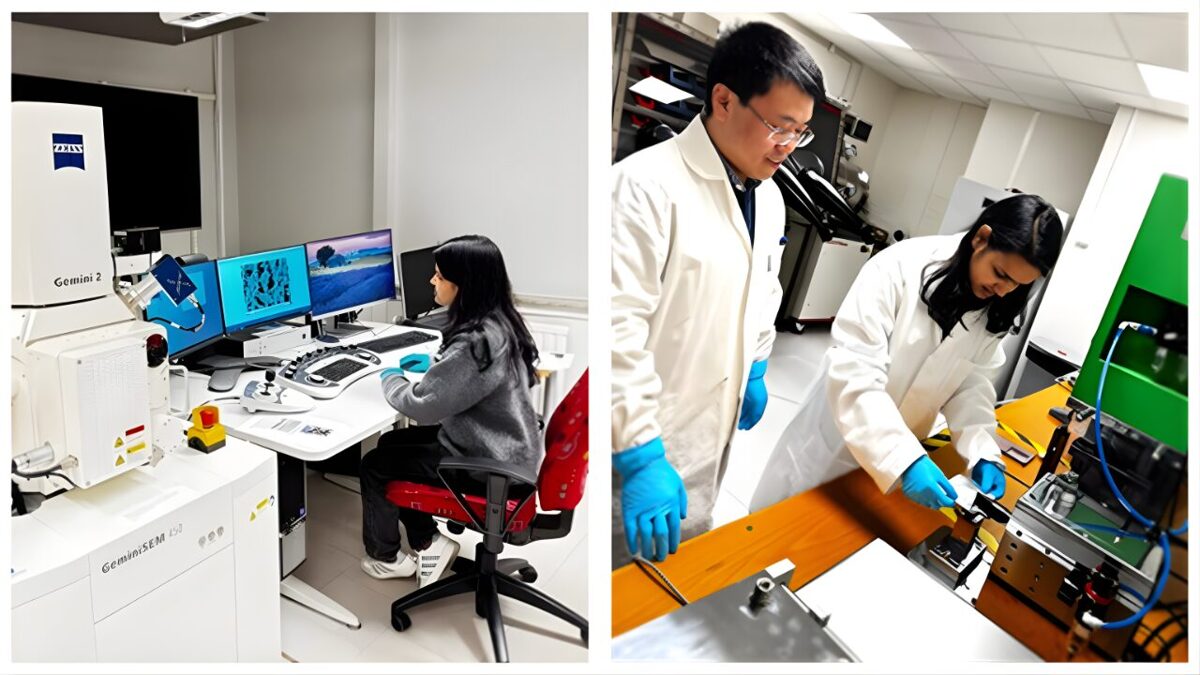
Chalmers University of Technology (Associate Professor Jinhua Sun and PhD student Komal Gola), as one of the partners in the ARMS Project, has developed a versatile method in collaboration with other partners to grow vertical and porous graphene on the surface of structural carbon fiber materials, significantly enhancing supercapacitor performance.
The Jinhua Sun Research Group at Chalmers has more than 10 years of research experience in graphene and related materials. The team has strong expertise in surface chemistry modification, synthesis of graphene-based composites, and integration with functional materials such as polymers, metals, semiconductors, and metal oxides. These advanced composites are applied across a wide range of fields, including supercapacitors, lithium-ion, sodium-ion, and aluminum-ion batteries, as well as sensors, gas barriers, tribology, anticorrosion coatings, and thermal management.
Within ARMS, the Chalmers team focuses on developing a versatile processing method to grow vertical graphene on carbon fiber surfaces. This approach aims to increase surface area, porosity, electrochemical performance, and mechanical properties of carbon fiber-based electrodes. Various graphene derivatives—such as graphene oxide, reduced graphene oxide, and mechanically exfoliated graphene—are used as starting materials to form vertical structures on carbon fibers. The graphene density on the fiber surface can be precisely controlled, enabling tuning of surface area and porosity for optimized supercapacitor performance.
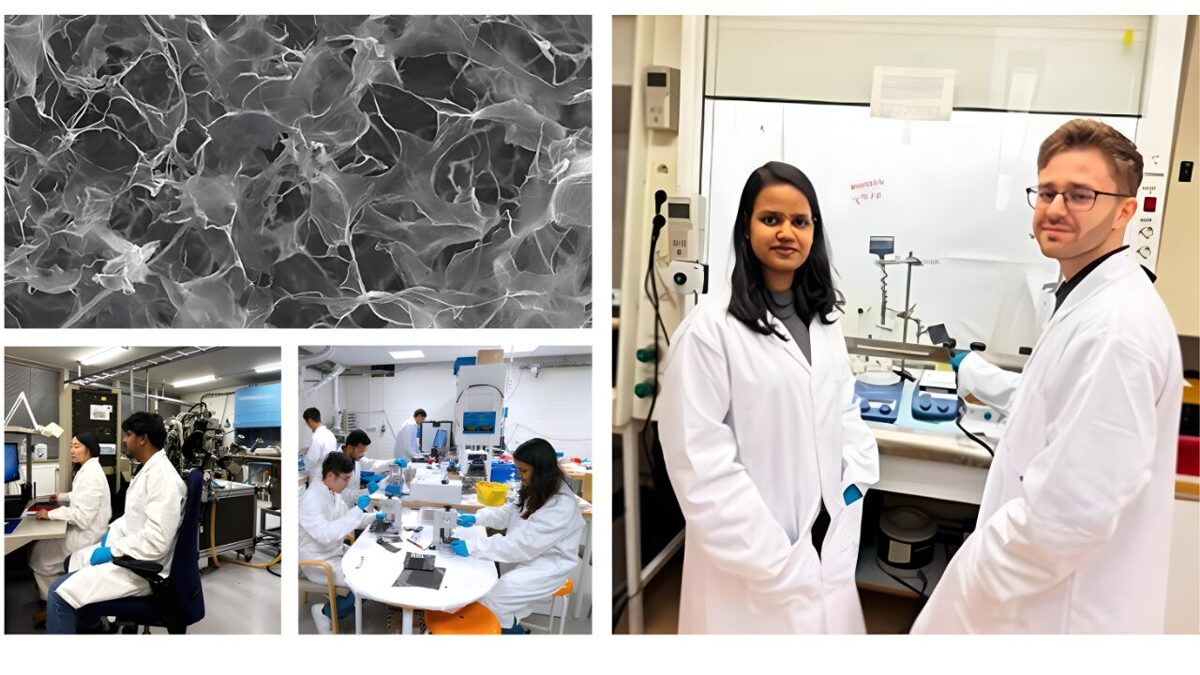
Importantly, in collaboration with the ALD team within ARMS, metal oxide-based active materials have been successfully deposited on the vertical graphene surface, dramatically improving the performance of structural supercapacitors.
At Chalmers, advanced characterization techniques are employed to analyze the structure, morphology, surface chemistry, thermal stability, and mechanical properties of graphene-reinforced carbon fiber electrodes. These electrodes, featuring vertically grown graphene, have been used to fabricate high-performance supercapacitors in various configurations, including three-electrode cells, coin cells, and multilayer pouch cells. While optimization is ongoing, the results show promising improvements.
Project ARMS showcased at Tampere University’s ITC Faculty Research Afternoon
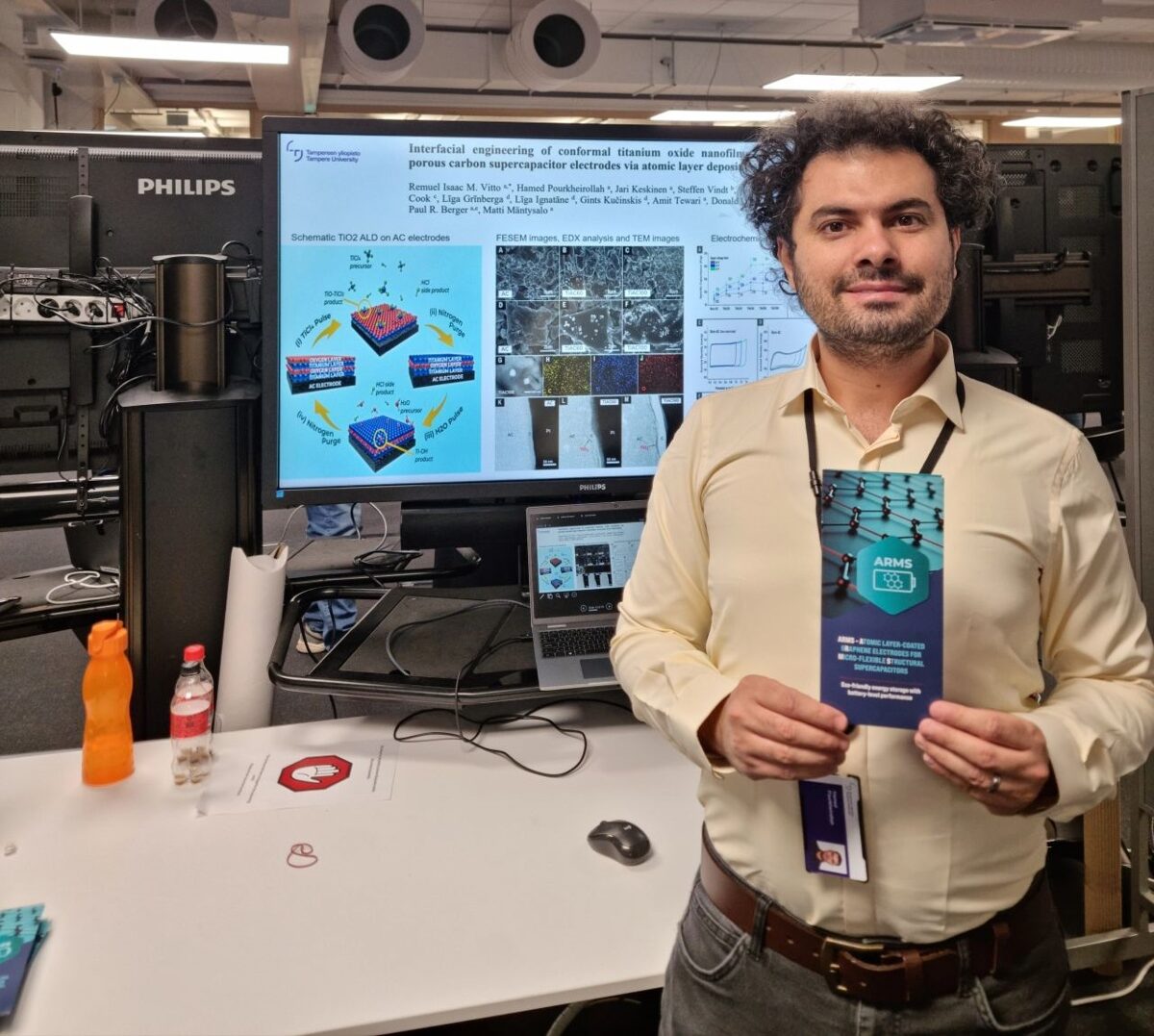
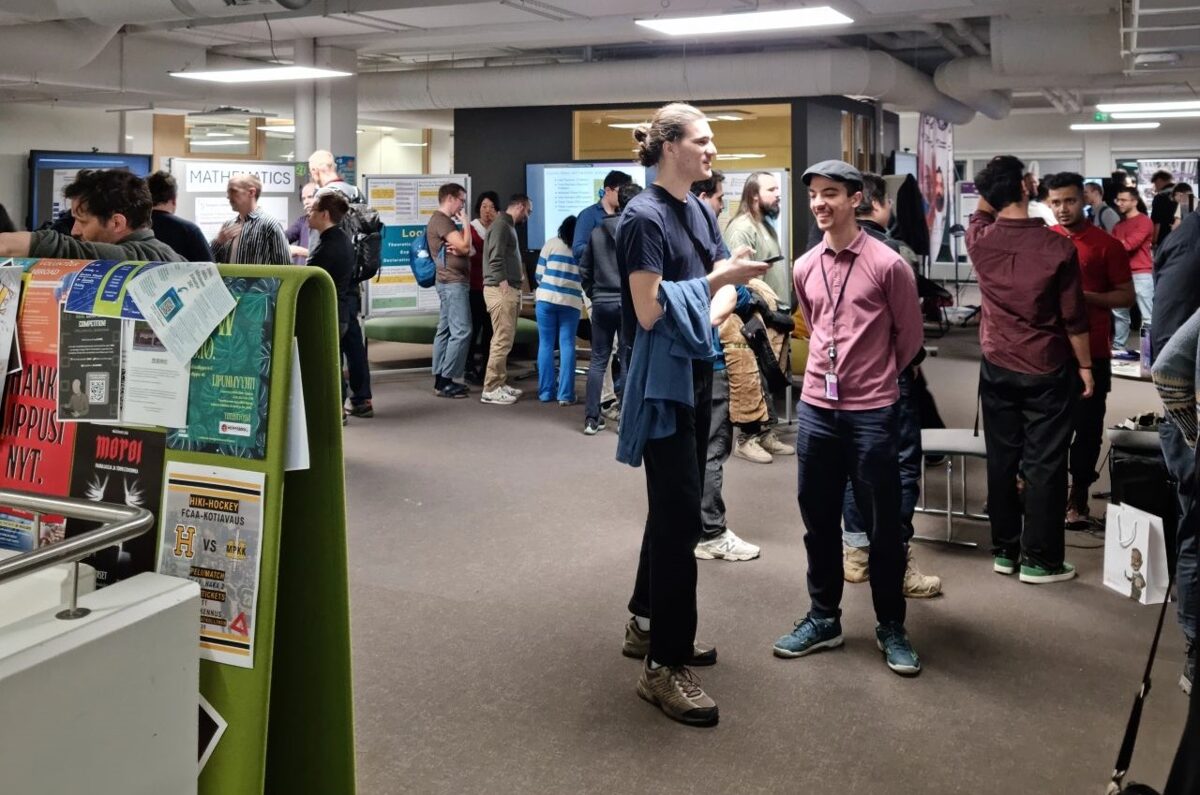
On October 30th, Project ARMS was proudly showcased at the Research Afternoon hosted by the Faculty of Information Technology and Communication Sciences (ITC) at Tampere University’s Hervanta campus. The event brought together a vibrant community of researchers, students, and innovators to share insights and foster interdisciplinary collaboration.
Dr. Hamed Pourkheirollah represented ARMS at the Electronics Research Center (ERC) booth, where he presented the project’s latest developments through an engaging visual display. Visitors had the opportunity to explore the project’s goals, ask questions, and take home printed leaflets for further reading. The booth attracted interest from across the faculty, sparking conversations about the project’s potential impact and future directions.
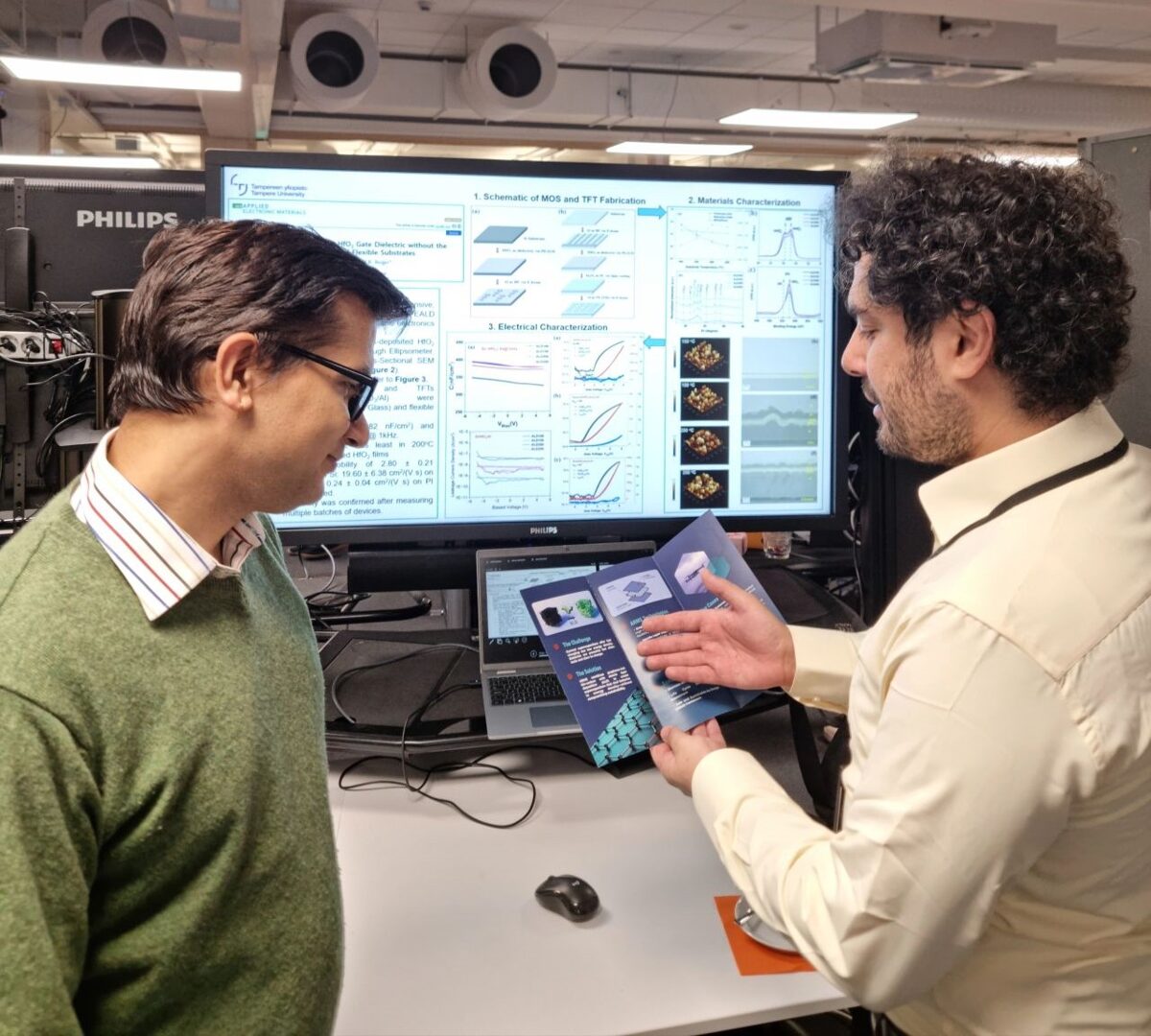
Beyond showcasing ARMS, the event served as a platform to discover the diverse research activities underway at Tampere University. It encouraged knowledge exchange and opened doors to potential new collaborations.
Adding a light-hearted twist to the afternoon, a friendly competition was held—and Dr. Pourkheirollah was among the winners, adding a celebratory note to the day. The event concluded with a networking dinner at the Reaktori restaurant, marking the end of an inspiring afternoon of science, innovation, and community spirit.
Key Takeaways:
- ARMS gained visibility among a broader academic audience.
- The event facilitated new connections and potential future collaborations.
- The interactive format helped communicate the project’s goals in an engaging way.