Thinking big in a nano-world
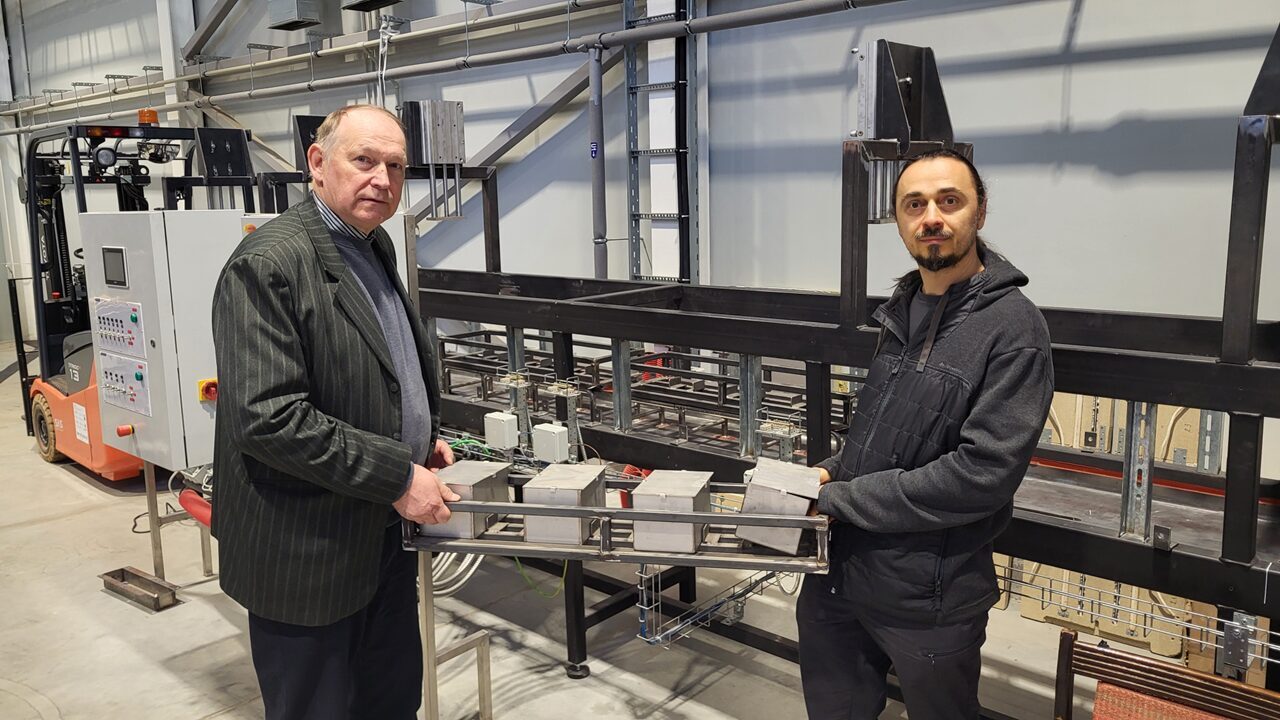
How do you turn a few grams of laboratory material into kilograms needed for real-world applications? The ARMS team is taking activated carbon production to the next level by developing a specialized biomass activation unit designed for safe, efficient, and large-scale processing.
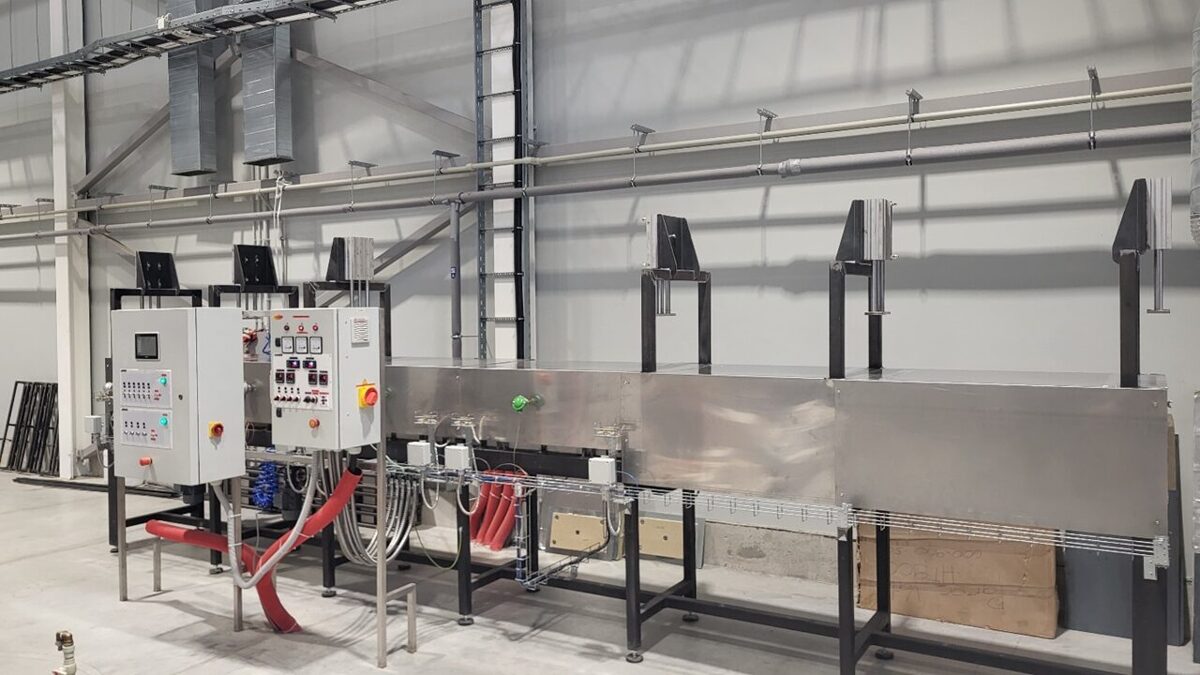 Activation line in assembled state. Photo: Latvian State Institute of Wood Chemistry.
Activated carbons are the materials with nanoscale pores (1-5 nm, to be exact), which is just ten in the power of minus nine meters. To imagine how small it is you can imagine that smallest bacteria are around 500 nm, and even the tiniest of viruses are 20 nm or more. In another words 1 nm is to a bacterium as a marble is to a football stadium. Nevertheless, we need quite a lot of our precious activated carbons with nano-scale pores for our project development – we are talking about several kilograms here, which is a part of ARMS project to demonstrate how far can we go from just a dream and concept. This is exactly when we need to start thinking big and upscale from lab bench up to some serious machinery. Having this in mind our team at LSIWC is developing a special unit for the biomass activation. It will be a tunnel type equipped with various gadgets to provide safe and efficient processing. The materials will go through three zones divided by airlocks, and everything will be purged with relatively heavy gas argon to ensure that no other oxidation processes will take place inside. It will start with heating up the raw materials, then the main activation zone, followed by the cooling down – 700 oC is serious deal, after all. This is a crucial step and notable piece of equipment, that will show the path from several grams in nano-world to the technology of future ays to come.
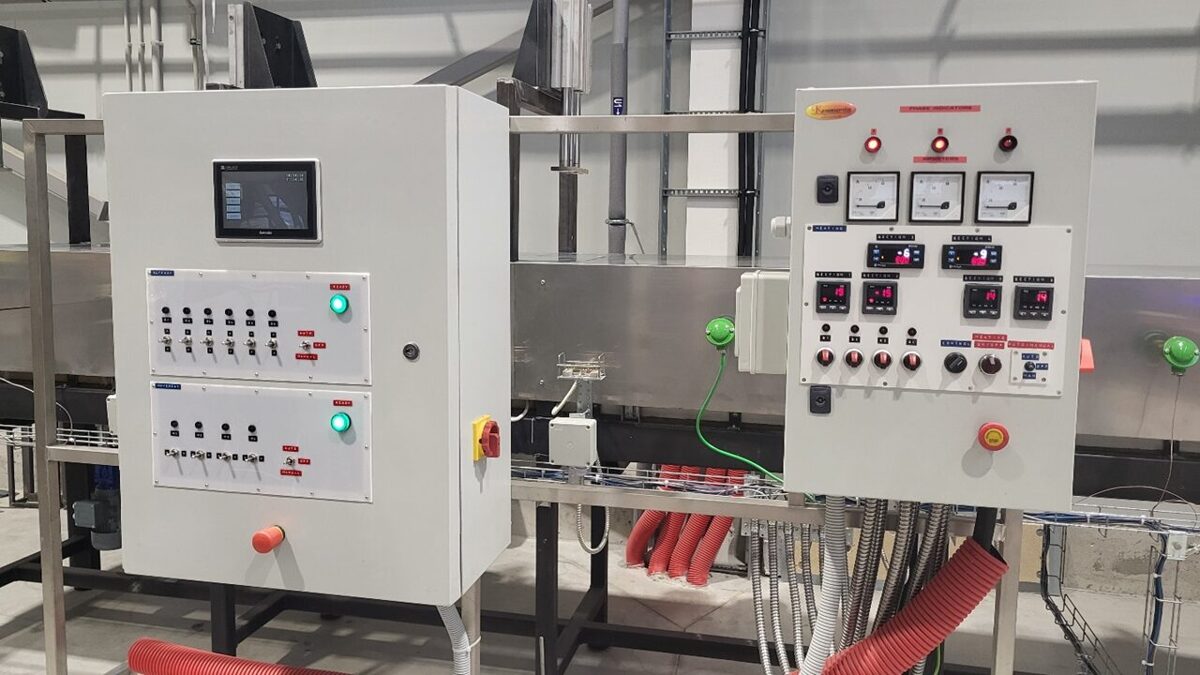 Movement and heating control units. Photo: Latvian State Institute of Wood Chemistry.