When research meets reality – Lynxdrone’s role in project ARMS
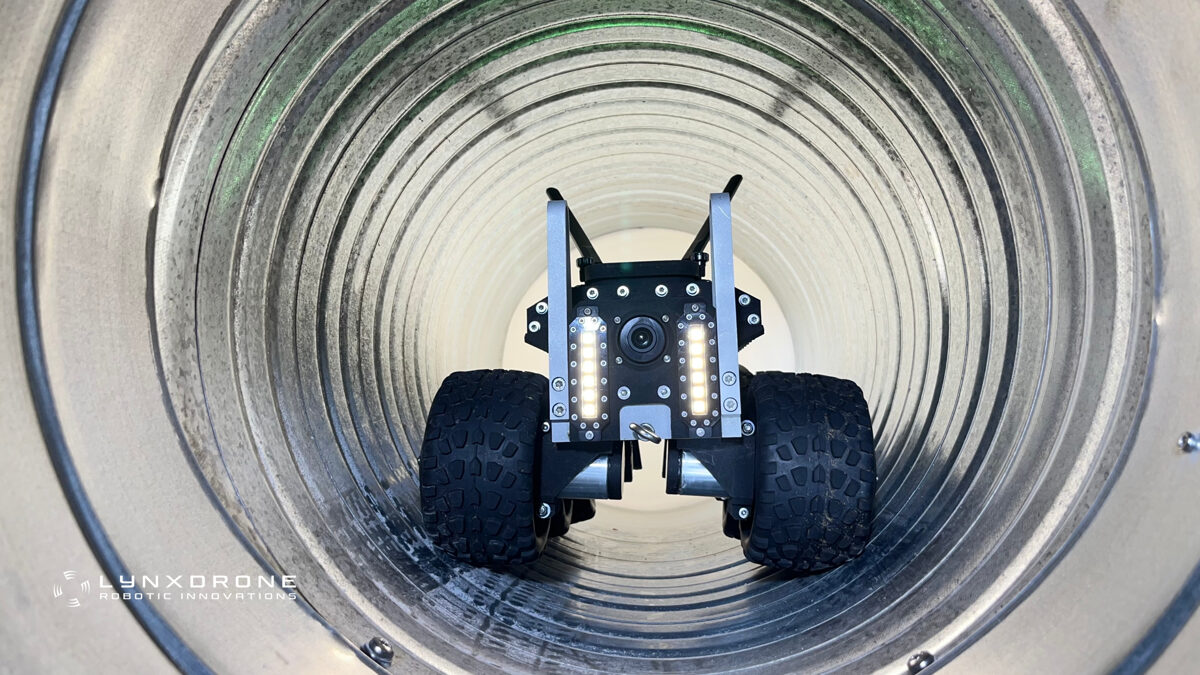
Lynxdrone is a French company
specialising in advanced drone and robotic systems for industrial inspection in
complex and safety‑critical environments. Combining expertise in robotics
engineering, embedded systems, and perception technologies, the company
develops reliable operational platforms that improve inspection efficiency
while reducing risk and environmental impact.
Within the ARMS project, Lynxdrone acts as an industrial partner focused on system-level integration and validation. While ARMS develops novel graphene-based and bio-derived structural supercapacitors, Lynxdrone’s role is to translate these technologies into functional, deployable drone systems suitable for real-world use.
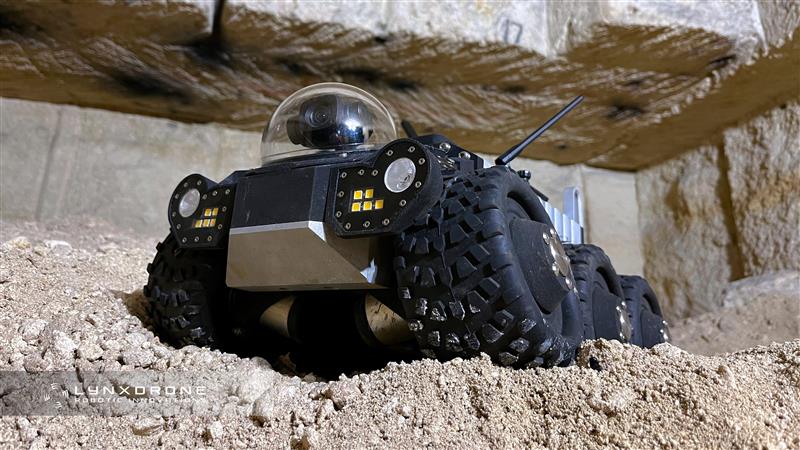
A key innovation of ARMS is the integration of energy storage directly into load‑bearing structures. This concept fundamentally changes drone architecture and requires close alignment between materials design and system engineering. Lynxdrone bridges this gap by adapting drone architectures to embed structural supercapacitors while maintaining mechanical integrity, performance, safety, and reliability. This includes addressing weight distribution, mechanical constraints, electrical interfaces, and mission-specific operational requirements.
By working with a realistic industrial inspection use case, Lynxdrone ensures that ARMS technologies are assessed under real operational conditions. The integration process allows evaluation of how structural supercapacitors can reduce structural weight, simplify system architecture, enable ultra-fast charging and rapid redeployment, reduce maintenance needs, and lower safety risks compared to conventional batteries.
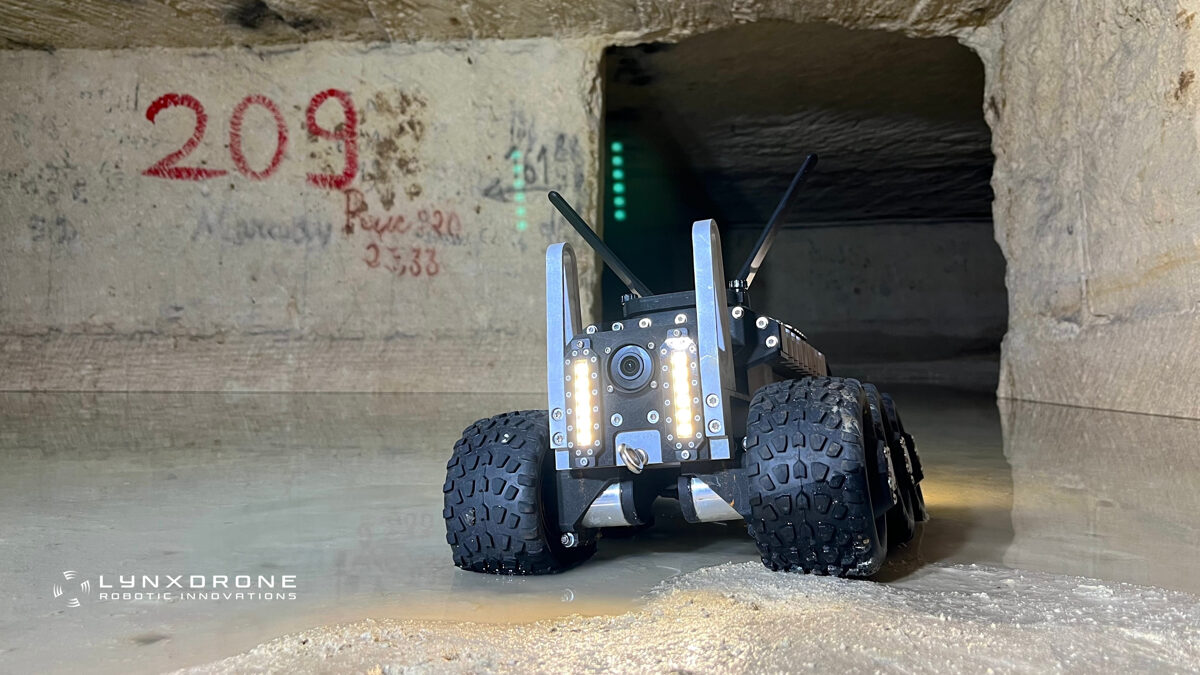
A central contribution from Lynxdrone is the development of a demonstrator drone powered by structural supercapacitors. Rather than a laboratory prototype, the demonstrator showcases a system architecture aligned with industrial requirements, supporting ARMS’s goal of moving beyond proof of concept towards industrial adoption.
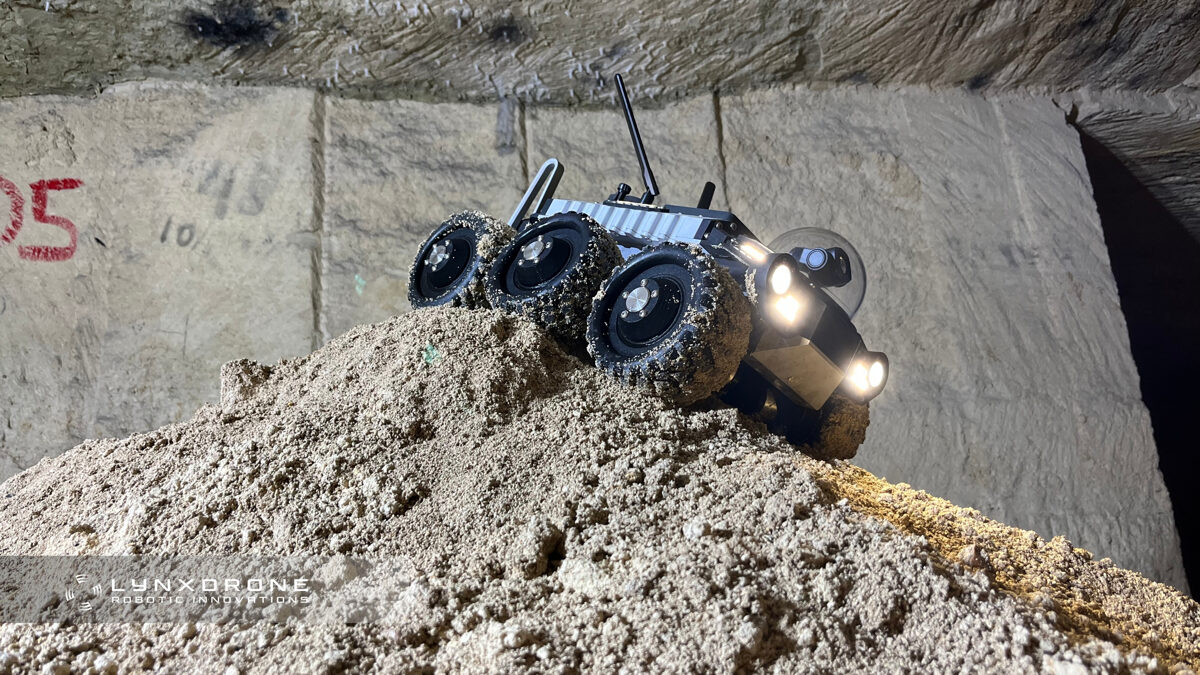
Through its participation in ARMS, Lynxdrone represents the application and deployment perspective, ensuring that material‑level innovations translate into tangible system‑level benefits. This reflects the company’s broader mission to bridge cutting‑edge research and real‑world deployment, contributing to safer, more efficient, and more sustainable robotic inspection solutions.