Chalmers University develops versatile method for enhanced supercapacitor performance in ARMS project
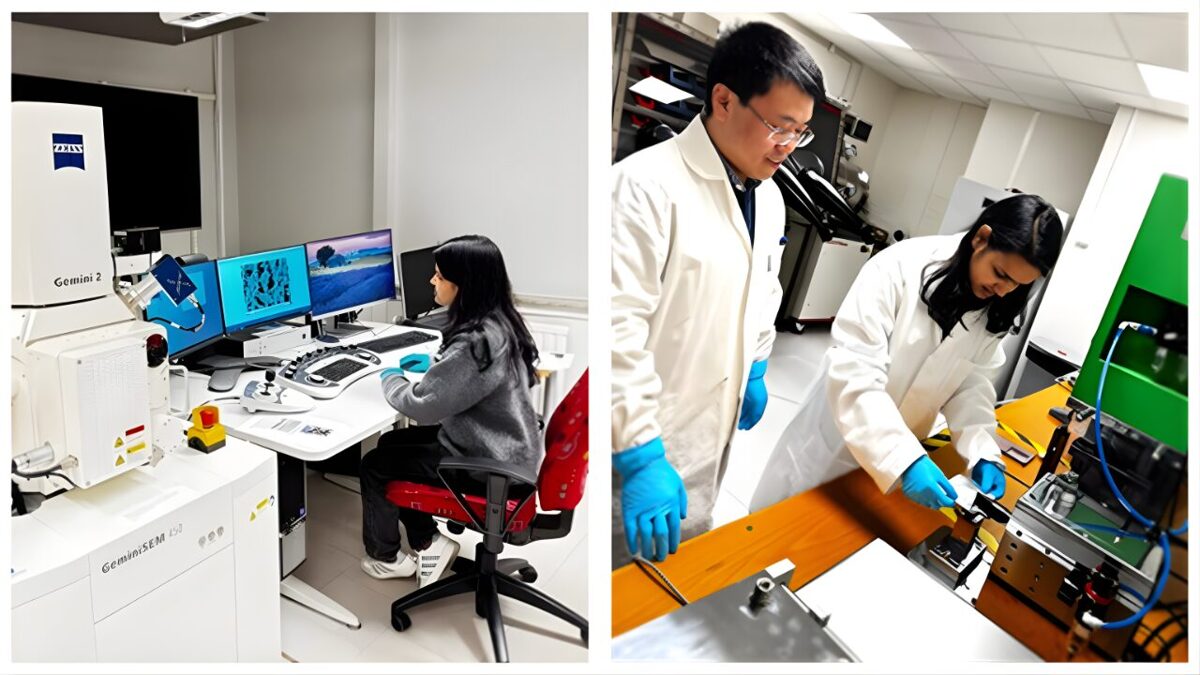
Chalmers University of Technology (Associate Professor Jinhua Sun and PhD student Komal Gola), as one of the partners in the ARMS Project, has developed a versatile method in collaboration with other partners to grow vertical and porous graphene on the surface of structural carbon fiber materials, significantly enhancing supercapacitor performance.
The Jinhua Sun Research Group at Chalmers has more than 10 years of research experience in graphene and related materials. The team has strong expertise in surface chemistry modification, synthesis of graphene-based composites, and integration with functional materials such as polymers, metals, semiconductors, and metal oxides. These advanced composites are applied across a wide range of fields, including supercapacitors, lithium-ion, sodium-ion, and aluminum-ion batteries, as well as sensors, gas barriers, tribology, anticorrosion coatings, and thermal management.
Within ARMS, the Chalmers team focuses on developing a versatile processing method to grow vertical graphene on carbon fiber surfaces. This approach aims to increase surface area, porosity, electrochemical performance, and mechanical properties of carbon fiber-based electrodes. Various graphene derivatives—such as graphene oxide, reduced graphene oxide, and mechanically exfoliated graphene—are used as starting materials to form vertical structures on carbon fibers. The graphene density on the fiber surface can be precisely controlled, enabling tuning of surface area and porosity for optimized supercapacitor performance.
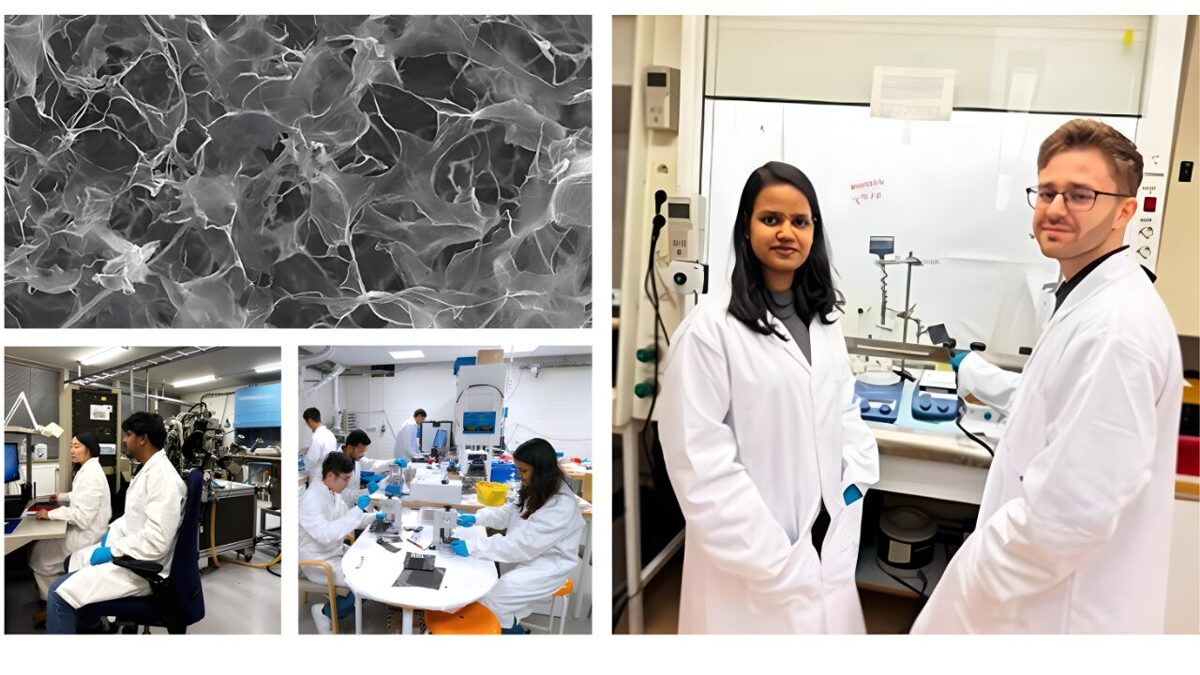
Importantly, in collaboration with the ALD team within ARMS, metal oxide-based active materials have been successfully deposited on the vertical graphene surface, dramatically improving the performance of structural supercapacitors.
At Chalmers, advanced characterization techniques are employed to analyze the structure, morphology, surface chemistry, thermal stability, and mechanical properties of graphene-reinforced carbon fiber electrodes. These electrodes, featuring vertically grown graphene, have been used to fabricate high-performance supercapacitors in various configurations, including three-electrode cells, coin cells, and multilayer pouch cells. While optimization is ongoing, the results show promising improvements.
Best,
Pushpendra