Innovative synthesis of graphene-carbon electrode materials from wood waste at the Latvian State Institute of Wood Chemistry
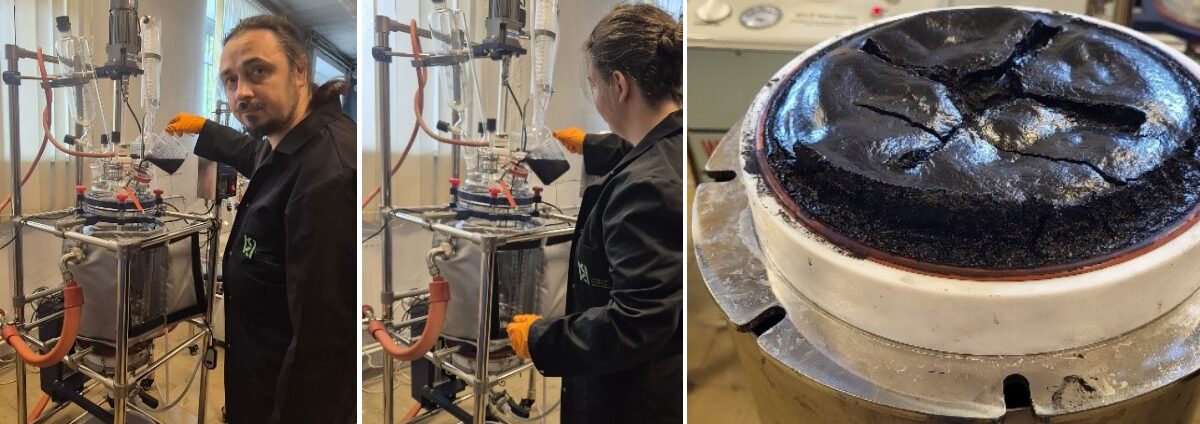
Photo: 1) Aleksandrs Volperts, 2) Ance Pļavniece, 3) Carbon
Research at the Latvian State Institute of Wood Chemistry (LSIWC) covers practically all fields related to wood and lignocellulosic biomass utilization. It is based on interdisciplinary theoretical studies of wood and lignocellulosic materials at the molecular and nano levels.
In the ARMS project, LSIWC is primarily and extensively involved in WP1 - Synthesis of raw graphene-containing carbon-based electrode materials. Our main task in this project is synthesising composite graphene-carbon electrode materials from wood and its waste. In a nutshell, we are synthesizing and modifying activated carbons from lignocellulosic biomass to provide materials for designing and fabricating electrochemical devices. We have extensive expertise in this area, as evidenced by numerous publications and achievements. However, producing high-quality activated carbon is always a challenge, not only due to the variety of synthesis parameters but especially when it comes to scaling up the process.
Our team for the ARMS project is led by Dr.sc. ing. Aivars Zhurinsh, with Dr. sc. ing. Aleksandrs Volperts, Ph.D. Ance Plavniece, Dr. habil. chem. Galina Dobele, and several technicians and students who provide invaluable help and support.
Currently, we have supplied a number of activated samples to our partners in other work packages and are beginning to develop pathways for further scaling up our synthesis, as this is one of the goals of the ARMS project. Recently, we were able to process and purify up to 300g of our "black gold," highly activated carbon, in one batch using a 20L heated glass reactor. This is just the beginning, as we are also in the process of constructing a specialized tunnel oven for activation, which will allow us to scale up the process further. The sky is the limit!